

How to Handle Bad Reviews on Google Maps Effectively
August 20, 2026
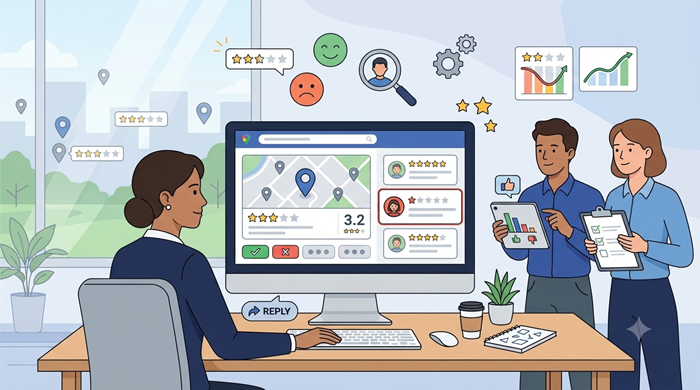
A negative review can feel personal, especially when you have worked hard to build your business. But a bad rating does not have to damage your reputation permanently. When handled professionally, negative feedback can become an opportunity to show potential customers how seriously you take service and customer satisfaction.
Whether you run a local shop, restaurant, clinic, agency, or service-based company, knowing how to respond to bad feedback on Google Maps is an important part of protecting your online reputation. A well-planned approach can help you address legitimate concerns, identify unfair or fake feedback, and build greater trust with future customers.
Key Takeaways
-
Respond calmly, professionally, and without becoming defensive.
-
Investigate the issue before deciding how to address the feedback.
-
Report reviews that clearly violate Google’s policies.
-
A professional agency can help monitor, manage, and improve your online reputation.
Why Bad Reviews Matter for Local Businesses
Online feedback influences how people perceive your business before they ever contact you. A potential customer comparing several companies may look at ratings, comments, photos, and responses before making a decision.
This makes local seo more than simply improving rankings. Your online reputation also affects how trustworthy and credible your business appears in local search results.
A single negative comment is usually not the problem. Most consumers understand that no business can satisfy every customer all the time. The real concern is how a company responds when something goes wrong.
Ignoring repeated complaints may create the impression that the business does not care. Responding aggressively can make the situation worse. A calm, helpful response, however, can demonstrate professionalism.
Stay Calm Before Responding
The first rule for dealing with a bad review is simple: do not respond emotionally.
It can be frustrating to read criticism, particularly when you believe the review is unfair or inaccurate. However, responding immediately while angry can create a much larger reputation problem.
Take time to investigate what happened. Check your records, speak with relevant employees, and determine whether the reviewer was actually a customer.
If the complaint is legitimate, identify what went wrong and whether there is a reasonable solution. If the review appears suspicious or false, gather any information that may support a report to Google.
This thoughtful approach is often far more effective than rushing to defend your business.
Respond Professionally to Legitimate Negative Feedback
When a review comes from a genuine customer, your response should focus on understanding and resolution.
A strong response usually includes three things:
-
Acknowledgment of the customer’s experience.
-
A brief apology when appropriate.
-
An invitation to continue the conversation privately.
For example:
“We’re sorry to hear that your experience did not meet your expectations. We take your feedback seriously and would appreciate the opportunity to learn more and make things right. Please contact our team directly so we can discuss the issue.”
Avoid writing a long public argument. You do not need to prove that the customer is wrong or explain every detail of the situation.
Remember that your response is not only for the reviewer. Future customers will also read it.
Do Not Copy and Paste the Same Response
Using identical responses for every negative comment can make a business appear disconnected or automated.
Personalize your reply where possible. Mention the general issue without sharing private customer information or discussing sensitive details publicly.
A thoughtful response shows that someone actually took the time to understand the concern.
This is particularly important for companies investing in local seo services, where visibility and reputation often work together to influence customer decisions.
Know When a Review Can Be Reported
Not every bad review can or should be removed. Google generally allows customers to share negative opinions about legitimate experiences.
However, some reviews may violate platform policies. Examples can include spam, fake engagement, harassment, offensive content, impersonation, or comments unrelated to an actual customer experience.
Before reporting a review, it is useful to understand which products are prohibited on Google Business Profile and other relevant platform policies that can affect what businesses are allowed to publish and promote.
If you believe a review violates Google’s guidelines, report it through your Business Profile rather than repeatedly arguing with the reviewer.
Keep in mind that reporting a review does not guarantee removal. Google makes the final decision based on its policies.
Identify Fake or Suspicious Reviews Carefully
Some negative reviews come from people who were never customers. Others may be posted by competitors, automated accounts, or individuals with unrelated disputes.
Warning signs may include:
-
No record of the customer or transaction.
-
Comments that describe services you do not provide.
-
Multiple similar reviews appearing within a short period.
-
Obvious promotional references to a competing business.
-
Generic comments that could apply to almost any company.
Document anything that supports your case before reporting the review.
Do not publicly accuse the reviewer of being a competitor or liar unless you have clear evidence. Instead, keep your public response neutral and explain that you cannot locate a record of the experience.
For example:
“We take all customer concerns seriously, but we have been unable to identify a record matching this experience. Please contact us directly with additional details so we can investigate.”
Encourage Genuine Customers to Leave Feedback
The best long-term response to occasional negative comments is to build a steady flow of authentic positive feedback.
Ask satisfied customers to share their experience after completing a purchase or receiving a service. Make the process simple by providing a direct review link or a clear request at the appropriate point in the customer journey.
Never pressure customers or offer inappropriate incentives for positive ratings. Authentic feedback is more valuable because it creates a realistic and trustworthy representation of your business.
Understanding the power of google reviews can help businesses see why a consistent review strategy matters beyond simply increasing a star rating.
The goal should not be to hide every negative experience. Instead, focus on building enough genuine feedback that your overall reputation accurately reflects the quality of your business.
Monitor Reviews Regularly
Reputation management should not begin only after a serious problem appears.
Check your Business Profile regularly so you can identify new feedback quickly. Timely responses often show customers that the business is active and attentive.
This is also useful for spotting recurring problems. If multiple customers mention the same issue, such as delayed communication or confusing pricing, the reviews may reveal an operational weakness that needs attention.
Monitoring reviews on google maps can therefore provide useful business intelligence as well as reputation protection.
A simple process for tracking feedback can include assigning responsibility to one team member, setting response guidelines, and reviewing patterns every month.
Improve Your Google Maps Presence Beyond Reviews
Reviews are only one part of how your business appears in local search.
Your Business Profile should also contain accurate contact information, business hours, categories, services, photos, and location details. Inconsistent or outdated information can create a poor customer experience before someone even visits your business.
Businesses trying to improve their visibility can also learn practical local seo strategies that support a stronger presence across map-based search results.
A complete and well-maintained profile makes it easier for customers to find accurate information and engage with your business confidently.
This broader approach to local maps seo can help create a stronger foundation for both visibility and reputation.
When Should You Respond Publicly or Take the Conversation Offline?
A public response is useful because it shows accountability. However, detailed problem-solving should usually happen privately.
Start by acknowledging the concern publicly. Then provide a way for the customer to contact you directly.
This approach protects privacy and prevents a long argument from becoming visible to everyone searching for your business.
If the customer updates or removes the review after the issue is resolved, consider that a positive outcome. However, never pressure someone to change their feedback.
Focus on solving the underlying problem rather than chasing a better rating.
How a Reputable Agency Can Help
Managing online feedback takes time, consistency, and an understanding of platform policies. For busy business owners, working with a reputable agency can make the process more manageable.
Professional digital marketing services can support reputation monitoring, Business Profile optimization, review-response strategies, and broader local visibility efforts.
An experienced agency can also help determine whether a negative review should be answered, investigated, or reported.
For companies with multiple branches, local seo for multilocation businesses can be especially valuable because maintaining consistent reputation management across several locations requires a more organized process.
The right agency should never promise to remove every negative review. Instead, it should focus on ethical reputation management, accurate business information, and sustainable improvements.
Choosing the Right Agency
Look for an agency that understands your industry and clearly explains its process.
Ask how it handles fake reviews, response management, reporting, profile optimization, and ongoing performance tracking.
It is also important to understand local seo costs before choosing a provider, as pricing can vary depending on the number of locations, competition, and scope of work.
A reputable agency should set realistic expectations and focus on long-term results rather than making unrealistic guarantees.
Useful Tools for Managing Your Reputation
Several platforms can help businesses monitor mentions, track ratings, and manage their online presence more efficiently.
The best local seo tools depend on the size of your business, the number of locations you manage, and how much reporting or automation you need.
For smaller companies, a simple routine of monitoring the Google Business Profile and responding consistently may be enough. Larger organizations may benefit from centralized reputation management software.
The important thing is to use information from customer feedback to improve real business processes, not simply to protect appearances.
A Simple Process for Handling Bad Reviews
When a negative review appears, follow a consistent process:
1. Review the Situation
Confirm whether the person was a customer and gather relevant details before responding.
2. Decide Whether the Review Is Legitimate
If it describes a genuine experience, focus on resolving the concern. If it clearly violates policy, document the issue and submit a report.
3. Respond Professionally
Keep the response calm, brief, and focused on the customer’s experience.
4. Move Detailed Discussions Offline
Provide a phone number, email address, or other direct contact method for further discussion.
5. Learn From the Feedback
Look for patterns that could reveal opportunities to improve your service, communication, or operations.
This process is particularly useful for local seo for small business, where a few reviews can have a noticeable impact on how potential customers perceive the company.
Turn Negative Reviews Into an Opportunity
Bad reviews are never ideal, but they do not automatically destroy a business’s reputation.
Customers often judge companies based on their overall pattern of feedback and their willingness to address problems professionally. A business that responds calmly and works toward a solution can sometimes earn more trust than one with perfect ratings but no visible customer engagement.
The key is consistency. Monitor your profile, respond thoughtfully, encourage authentic feedback, and report only reviews that genuinely violate policies.
With the right strategy, reputation management becomes part of a larger effort to improve customer trust, visibility, and long-term business growth.
Frequently Asked Questions
Can a bad Google review be removed?
Only reviews that violate Google’s policies are eligible for removal.
Should I respond to every negative review?
Yes, when possible, respond professionally and focus on resolving legitimate concerns.
How quickly should I respond to a bad review?
Aim to respond promptly, ideally within a few days.
Can a business ask customers to remove negative reviews?
You can resolve the issue and ask for updated feedback, but you should not pressure customers.
Can an agency help manage negative Google reviews?
Yes, a reputable agency can help monitor, respond to, report, and manage your online reputation.