

Which Roof Types Work Best for Solar Panel Installation?
March 6, 2026
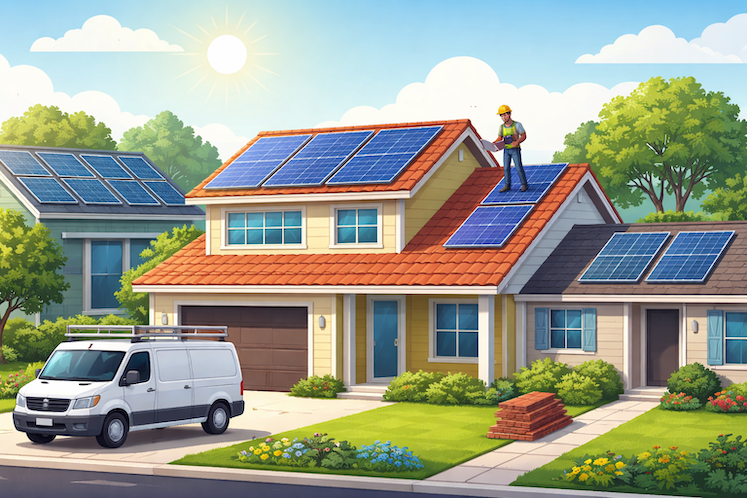
Switching to solar power has become one of the most practical ways homeowners reduce long-term energy costs while supporting cleaner energy production. Over the past decade, the cost of solar panels has steadily declined, making solar installations more accessible than ever. At the same time, advances in solar technology have improved efficiency, allowing homes to generate more electricity from the same amount of sunlight.
Beyond cost savings, solar energy plays an important role in reducing carbon emissions. By generating electricity from sunlight rather than fossil fuels, homeowners contribute to lowering harmful greenhouse gas output. Many communities also offer tax incentives, rebates, and financing programs that make solar adoption even more attractive.
However, before installing solar panels, homeowners often ask an important question: Is my roof compatible with solar panels?
The answer depends on several factors including roofing materials, roof condition, structural strength, sun exposure, and roof orientation. Each of these elements plays a role in determining whether your home can support an efficient solar panel system.
During a professional evaluation, solar specialists carefully inspect the roof structure and materials to ensure it can safely support solar hardware. This assessment helps ensure the system performs efficiently and remains secure for decades.
For homeowners exploring solar options, understanding how roofing materials and roof conditions affect installation can help you prepare your home for a successful solar upgrade.
Roofing Materials That Support Solar Panel Systems
The type of roofing material installed on your home is one of the first things solar installers evaluate. Some materials make installation easier and more cost-effective, while others require specialized mounting techniques.
Fortunately, most residential roofing systems can accommodate solar panels when properly evaluated and prepared.
Asphalt Shingle Roofs
Asphalt shingles are the most common residential roofing material in the United States, and they are generally considered ideal for solar panel installation.
Solar mounting brackets can easily attach to the roof structure beneath asphalt shingles, creating a secure base for solar panels. Because these roofs are widely used and relatively straightforward to work with, installers can typically complete the process quickly and efficiently.
This compatibility is one reason why many homeowners exploring solar solutions begin the process by requesting a solar installation cost estimate to evaluate potential savings and system size.
Metal Roofs
Metal roofs are also highly compatible with solar energy systems. In fact, certain types—especially standing seam metal roofs—are among the best roofing styles for solar panels.
Standing seam roofs allow solar mounting clamps to attach directly to the raised seams without drilling holes into the roof surface. This reduces the risk of leaks and simplifies installation.
Metal roofing also has a long lifespan, which aligns well with solar panel systems that typically last 25 years or more.
Tile Roofs (Clay or Concrete)
Clay and concrete tile roofs can support solar panels, but they require more specialized installation techniques.
Because tiles are more brittle than other roofing materials, installers must carefully remove and replace sections during the mounting process. Specialized brackets are used to prevent cracking while maintaining structural integrity.
Although installation may take slightly longer, tile roofs can still successfully support solar energy systems when handled by experienced installers.
Rubber and Flat Roof Systems
Homes with flat or low-slope roofs often use rubber or membrane roofing materials such as EPDM or TPO.
Solar panels on flat roofs are typically installed using angled mounting systems that tilt panels toward the sun. This configuration helps maximize solar exposure even when the roof itself does not provide an ideal angle.
Flat roofs also allow installers to position panels strategically to reduce shading and improve overall system performance.
Why Roof Age Matters for Solar Installations
Solar panels are designed to last 25 to 30 years, which means your roof should ideally remain in good condition throughout the life of the system.
If a roof is nearing the end of its lifespan, installing solar panels beforehand may create complications later. Removing panels to replace a roof can add unnecessary labor costs.
For this reason, installers typically evaluate roof age and structural integrity during the planning phase. If the roof needs replacement soon, it may be more cost-effective to complete roofing upgrades before installing solar equipment.
Understanding the long-term reliability of solar equipment is also important. Homeowners often evaluate warranty plans and product durability to ensure their investment remains protected.
Even when a roof is slightly older, professional evaluations can determine whether it remains structurally sound enough to support solar panels safely.
Structural Strength and Roof Shingle Layers
Another factor installers examine is the number of roofing layers on your home.
In some houses, new shingles are installed over older layers rather than removing them. While this may save money during roofing work, it can increase the overall weight placed on the roof structure.
When solar panels are added, the additional load may exceed safe structural limits if the roof already contains multiple shingle layers.
To avoid potential issues, solar installers inspect:
- Roof decking
- Roof framing
- Structural load capacity
- Existing roofing layers
If necessary, installers may recommend removing older shingles or reinforcing the roof structure before installing solar equipment.
These steps ensure the roof remains stable and capable of supporting the solar system for decades.
Ideal Roof Angle for Solar Panels
Roof orientation and angle significantly influence how much solar energy a home can generate.
Solar panels perform best when they receive direct sunlight for the majority of the day. The direction a roof faces determines how efficiently it can capture solar radiation.
South-Facing Roofs
In the United States and other locations in the Northern Hemisphere, south-facing roofs receive the most sunlight throughout the day.
This orientation typically allows solar panels to generate maximum electricity output.
East- and West-Facing Roofs
East- and west-facing roofs can still support solar panels, though energy production may vary depending on the time of day.
- East-facing roofs capture stronger morning sunlight.
- West-facing roofs generate more energy in the afternoon.
These orientations can still produce significant energy, especially when panels are strategically arranged across multiple roof sections.
Roof Pitch and Panel Efficiency
The slope—or pitch—of your roof also affects solar performance.
Moderately sloped roofs between 30 and 40 degrees often provide optimal angles for solar panels. However, modern mounting systems allow installers to adjust panel angles slightly to improve sunlight exposure.
Even homes with less-than-ideal roof pitches can benefit from solar energy with proper system design.
Sunlight Exposure and Shading Considerations
Sunlight exposure plays a major role in determining how much electricity a solar system can produce.
For most homes, solar panels perform best when they receive direct sunlight between 9:00 a.m. and 3:00 p.m., when solar radiation levels are highest.
Installers evaluate several factors when analyzing solar potential:
- Nearby trees
- Adjacent buildings
- Roof structures such as chimneys or vents
- Seasonal sun patterns
Even partial shading can affect the performance of traditional solar panels, though newer technologies such as microinverters and power optimizers can help reduce energy losses.
Seasonal sunlight variations also influence energy output. Homeowners sometimes evaluate seasonal energy usage alongside tips for reducing winter home energy consumption to better understand how solar production aligns with household energy demand throughout the year.
A professional solar assessment can calculate expected energy output based on your home’s location, roof structure, and sunlight exposure.
What Happens if Roof Issues Occur After Installation?
Homeowners often worry about what happens if roofing problems appear after solar panels have been installed.
Reputable solar installers typically include roof penetration warranties as part of their installation agreements. These warranties protect homeowners against issues such as leaks or structural concerns related to the mounting hardware.
Because solar panels are securely anchored into the roof structure, installers use specialized flashing and sealing techniques to prevent water intrusion.
A strong installation warranty provides reassurance that any installation-related roofing issues will be addressed quickly and professionally.
Choosing experienced installers helps ensure both the solar system and the roof remain protected throughout the lifespan of the installation.
Preparing Your Roof for a Successful Solar Installation
Before installing solar panels, homeowners can take several steps to ensure their roof is ready.
Inspect Your Roof Condition
Have a roofing professional evaluate the condition of your roof to identify potential repairs or aging materials.
Trim Trees That Create Shade
Removing or trimming nearby trees can improve sunlight exposure and increase solar energy production.
Review Roof Orientation
Understanding which parts of your roof receive the most sunlight can help installers determine the most efficient panel placement.
Evaluate Long-Term Energy Needs
Considering your current and future energy consumption helps ensure your solar system is sized correctly for your household.
Proper planning ensures your solar investment delivers reliable performance and long-term savings.
Why Solar-Compatible Roofs Matter for Energy Savings
Solar energy continues to grow as a practical and sustainable solution for homeowners seeking greater control over electricity costs.
When your roof is structurally sound, properly oriented, and exposed to sufficient sunlight, solar panels can generate clean electricity for decades.
Understanding how roofing materials, roof condition, and sun exposure affect solar compatibility allows homeowners to make informed decisions before installation begins.
A professional roof evaluation ensures that your solar system is designed for both safety and performance—helping you maximize your energy savings while supporting a cleaner energy future.