

Why Solar Power Makes Sense for Remote Workers
May 29, 2026
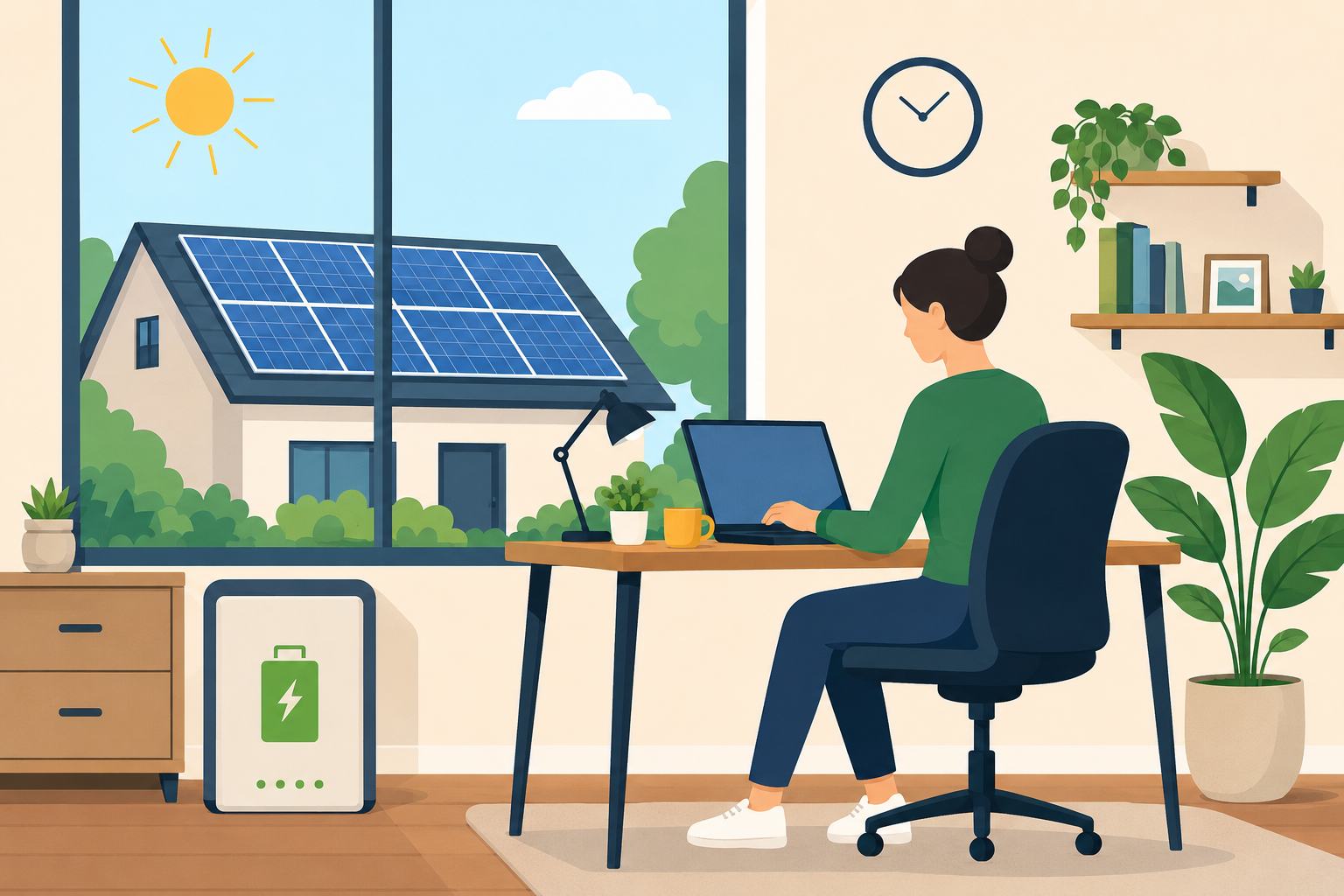
Remote work has become a permanent part of modern life. Millions of professionals now spend their days working from home, attending virtual meetings, running multiple devices, and relying on a stable home environment to stay productive.
While working from home offers flexibility and convenience, it also increases household energy consumption. Computers, monitors, routers, printers, lighting, air conditioning, and other equipment often run for extended periods throughout the day. As a result, many homeowners have noticed higher electricity bills than they experienced before remote work became common.
This growing demand for energy has prompted many homeowners to look for smarter ways to manage their utility costs. One solution continues to stand out: solar power.
Investing in solar panels can help offset rising electricity expenses, improve long-term energy savings, and increase property value. For remote workers who depend on reliable power every day, solar energy has become more than an environmentally friendly upgrade—it has become a practical financial decision.
If you’re evaluating ways to reduce monthly expenses while making your home more energy-efficient, understanding the long-term advantages of solar power is an excellent place to start.
Why Remote Workers Use More Electricity
The average household uses considerably more electricity when one or more family members work from home full-time.
Before remote work became widespread, businesses absorbed most workplace energy costs. Office buildings handled lighting, air conditioning, computer usage, internet infrastructure, and other operational expenses. Today, many of those costs have shifted directly to homeowners.
Home Offices Run All Day
A typical home office may include:
- Desktop computers or laptops
- Multiple monitors
- Wi-Fi routers and networking equipment
- Printers and scanners
- Desk lighting
- Phone chargers
- Smart devices and accessories
Even energy-efficient equipment adds to electricity consumption when used for eight or more hours every day.
Increased Heating and Cooling Costs
Heating and cooling systems often account for the largest portion of residential energy bills.
When homes are occupied throughout the day, HVAC systems work harder to maintain comfortable temperatures. During summer months, air conditioners may run continuously. During colder seasons, heating systems experience similar demand.
This additional energy usage can significantly impact monthly utility expenses.
More Appliances Operating During Work Hours
Remote workers often use kitchen appliances, entertainment systems, and household electronics throughout the day.
Coffee makers, microwaves, televisions, smart speakers, and other devices contribute to overall electricity consumption. While each appliance may seem insignificant on its own, the combined impact can be substantial over time.
Solar Power Helps Offset Rising Utility Bills
One of the biggest reasons homeowners invest in solar energy is to reduce dependence on utility companies.
Solar panels generate electricity directly from sunlight, allowing homeowners to produce much of the energy they use daily. This self-generated power can significantly reduce monthly electric bills.
Generate Electricity During Peak Usage Hours
Most remote workers consume the most electricity during daylight hours—the same time solar panels generate maximum power.
This alignment allows homeowners to directly use solar-generated electricity when demand is highest, helping offset utility costs in real time.
Protection Against Future Utility Rate Increases
Electricity rates have steadily increased in many areas over the past decade.
Solar energy provides a level of protection from future utility price hikes because a larger portion of household electricity comes from your own system rather than the grid.
For remote workers planning to stay in their homes long-term, this predictability can lead to significant savings over time.
Bigger Energy Needs Can Lead to Better Solar System Design
Higher household energy usage may actually create an opportunity when designing a solar energy system.
Build a System That Matches Your Lifestyle
A properly designed solar system can be customized around your current electricity usage patterns.
Because remote workers typically consume more energy than traditional commuters, installers can design systems that better align with real household needs.
This allows homeowners to maximize energy production and improve overall return on investment.
Prepare for Future Energy Demand
Many homeowners are also preparing for future energy requirements such as:
- Electric vehicles
- Home battery storage
- Smart home systems
- Additional home office equipment
- Expanded living spaces
Installing solar today can help accommodate these future needs without dramatically increasing electricity costs later.
Modern Solar Incentives Make Installation More Attractive
Solar technology has become more accessible than ever thanks to incentives, financing options, and falling equipment costs.
Federal Solar Tax Credits
The federal solar incentive landscape has changed significantly in recent years.
Homeowners who qualify may be eligible for federal tax incentives that reduce the overall cost of installation. Current incentive programs can substantially improve the financial return of a solar investment.
Because tax programs and regulations can change, homeowners should consult a qualified tax professional or solar provider for the most up-to-date eligibility requirements.
State and Local Incentives
Many states, municipalities, and utility providers also offer additional benefits, including:
- Tax exemptions
- Rebates
- Performance-based incentives
- Net metering programs
These programs can further reduce installation costs and accelerate savings.
Solar Can Increase Property Value
Energy-efficient homes continue to attract buyer interest in today’s housing market.
Many homebuyers recognize the value of lower utility expenses and modern energy systems.
Appeal to Future Buyers
A professionally installed solar system can make a property more attractive to potential buyers.
As energy costs continue to rise, homes with renewable energy systems often stand out among comparable properties.
Long-Term Investment Benefits
Unlike many home improvements that primarily enhance aesthetics, solar installations provide ongoing financial value through energy production.
This combination of functionality and savings can contribute positively to overall property value.
Energy Independence Matters More Than Ever
Remote workers depend heavily on reliable electricity.
Internet outages, computer downtime, and power disruptions can affect productivity, meetings, and business operations.
Greater Control Over Energy Usage
Solar systems provide homeowners with greater control over how electricity is generated and consumed.
When paired with battery storage systems, solar energy can help maintain essential operations during grid interruptions.
Support a More Resilient Home
Many homeowners view solar as part of a broader strategy to create a more resilient and self-sufficient home environment.
For professionals whose income depends on working online, reliable energy infrastructure is increasingly important.
Environmental Benefits Remain a Major Advantage
Financial savings often motivate homeowners to install solar panels, but environmental benefits remain an important factor as well.
Reduce Carbon Emissions
Solar power generates clean electricity without producing greenhouse gas emissions during operation.
By reducing reliance on fossil fuel-generated electricity, homeowners can lower their environmental impact while supporting cleaner energy production.
Support Sustainable Living
Many remote workers already enjoy reduced commuting emissions. Solar energy allows them to further minimize their overall carbon footprint.
Combining remote work with renewable energy creates a more sustainable lifestyle that benefits both households and communities.
Choosing the Right Solar Partner
Solar installation is a long-term investment, making it important to work with experienced professionals.

The Bottom Line
Working from home has fundamentally changed how households consume electricity. Higher utility bills, increased device usage, and all-day HVAC demand have become part of everyday life for many remote professionals.
Solar power offers a practical solution to these challenges by helping homeowners generate their own electricity, reduce long-term utility expenses, and gain greater control over their energy future.
Whether you’re looking to lower monthly bills, improve energy independence, increase property value, or support a more sustainable lifestyle, solar energy remains one of the smartest home upgrades available today.
For remote workers who spend most of their time at home, the financial and practical benefits of solar power are often even more compelling.
Frequently Asked Questions
Is solar power worth it if I work from home full-time?
Yes. Remote workers typically consume more electricity during daylight hours when solar panels generate the most power. This can lead to greater energy savings compared to households that are empty during the day.
How much can solar panels reduce my electric bill?
Savings vary based on location, system size, energy consumption, and utility rates. Many homeowners significantly reduce their monthly electricity costs after installing solar panels.
Do solar panels increase home value?
In many markets, homes with solar systems are viewed as more attractive because they offer lower operating costs and improved energy efficiency.
Can solar panels power my home during outages?
Standard grid-connected solar systems typically shut down during outages. However, solar systems paired with battery storage can provide backup power for essential appliances and devices.
How long do solar panels last?
Most modern solar panels are designed to last 25 to 30 years or longer, with many continuing to produce electricity beyond their warranty period.
What is the best time to install solar panels?
The best time is usually before utility costs continue to rise. Installing solar sooner allows homeowners to begin generating savings immediately and take advantage of available incentives.