

iOS Development Made Simple: Build Apps That Win Users
April 24, 2026
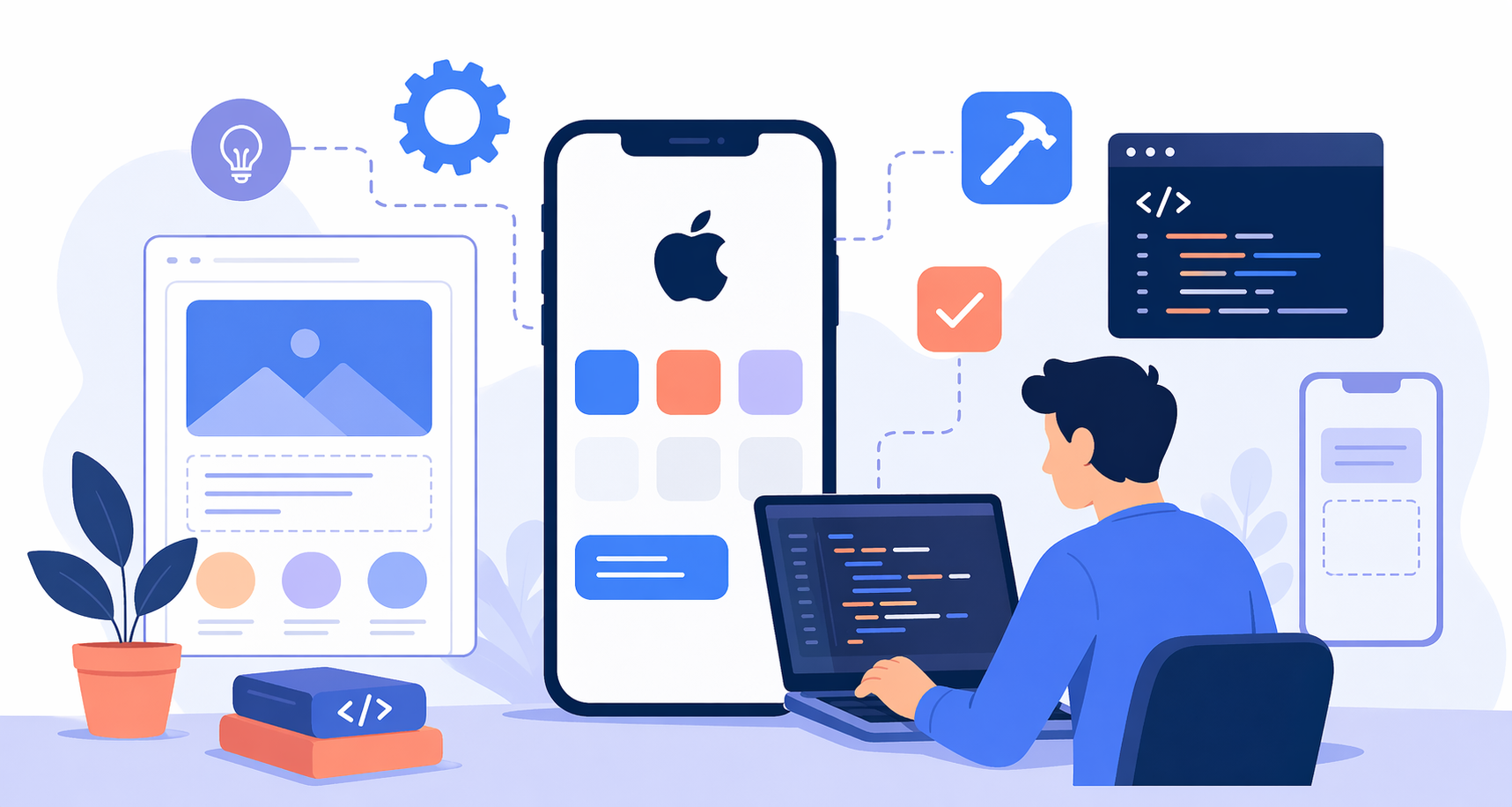
iOS development continues to be one of the most powerful ways to reach a premium audience, drive engagement, and build long-term brand loyalty. With millions of active Apple users across iPhones, iPads, and other devices, businesses that invest in well-crafted apps often see stronger retention and higher revenue potential.
But building a successful app isn’t just about writing code. It’s about strategy, user experience, scalability, and performance—all working together seamlessly. Whether you’re a startup founder or an established business owner, understanding how modern iOS development works can help you make smarter decisions and avoid costly mistakes.
In this guide, we’ll break down everything you need to know—from planning and design to development and launch—so you can confidently move forward with your app idea.
What Is iOS Development?
iOS development refers to the process of creating applications for Apple’s ecosystem, primarily using languages like Swift and tools like Xcode. These apps are designed specifically for Apple devices, ensuring optimized performance and a consistent user experience.
Unlike cross-platform solutions, native iOS apps are built to take full advantage of Apple’s hardware and software capabilities. This results in smoother animations, better security, and a more refined interface.
Why Businesses Are Investing in iOS Apps
Higher Revenue Potential
iOS users are known for higher spending habits compared to other platforms. This makes iOS apps particularly attractive for businesses looking to monetize through subscriptions, in-app purchases, or premium offerings.
Strong Security Standards
Apple enforces strict guidelines, which helps maintain a secure ecosystem. This is especially important for industries like finance, healthcare, and e-commerce.
Consistent User Experience
With fewer device variations compared to Android, developers can create highly polished and predictable experiences.
Key Features of Successful iOS Apps
Intuitive User Interface
Apple users expect simplicity and elegance. A clean interface with smooth navigation is essential.
High Performance
Speed matters. Apps should load quickly and run without lag, even under heavy usage.
Seamless Integration
From Apple Pay to Face ID, integrating native features enhances usability and trust.
Scalability
As your business grows, your app should be able to handle increased users and new features without performance issues.
The iOS App Development Process

1. Idea Validation
Before writing a single line of code, validate your idea. Research your target audience, competitors, and market demand.
If you’re unsure where to start, consider whether you haven’t a mobile app?—this often reveals gaps in customer engagement and opportunities for growth.
2. Planning and Strategy
Define your app’s core features, user journey, and business goals. This step lays the foundation for everything that follows.
3. UI/UX Design
Design is more than aesthetics. It’s about creating a seamless experience that users enjoy. Wireframes and prototypes help visualize the final product.
4. Development
This is where your app comes to life. A skilled ios application development company ensures clean code, robust architecture, and smooth functionality.
5. Testing
Thorough testing ensures your app is free from bugs and performs well across devices.
6. Launch and Optimization
After launching on the App Store, continuous updates and improvements are crucial for long-term success.
Choosing the Right Development Approach
Native Development
Best for performance and user experience. Ideal for businesses targeting Apple users specifically.
Hybrid Development
Allows faster development across platforms but may compromise performance.
SaaS-Based Solutions
If you’re building a scalable product, investing in saas development can provide flexibility and long-term growth potential.
How iOS Development Impacts Business Growth
Improved Customer Engagement
Apps provide a direct communication channel through notifications, personalized content, and user interactions.
Brand Visibility
Having an app strengthens your brand presence and credibility.
Data-Driven Decisions
Apps collect valuable user data, helping businesses refine strategies and improve offerings.
Common Challenges in iOS Development
Strict App Store Guidelines
Apple’s approval process can be demanding. Apps must meet quality and security standards.
Development Costs
High-quality apps require investment, but the return often justifies the cost.
Continuous Updates
Technology evolves quickly, and apps must keep up with new iOS versions and user expectations.
How to Choose the Right Development Partner
Finding the right team can make or break your app’s success.
Look for:
- Proven experience in iOS projects
- Strong design and development capabilities
- Transparent communication
- Post-launch support
If you’re ready to move forward, investing in custom ios app development ensures your app is tailored specifically to your business goals and user needs.
The Role of Marketing in App Success
Building an app is only half the journey. Without proper promotion, even the best apps can go unnoticed.
App Store Optimization (ASO)
Optimizing your app’s title, description, and keywords improves visibility in the App Store.
Social Media Promotion
Engaging content helps attract users and build anticipation before launch.
Paid Advertising
Targeted ads can drive downloads and increase visibility quickly.
Many businesses combine development with digital marketing services to ensure their app reaches the right audience effectively.
Future Trends in iOS Development
Artificial Intelligence Integration
AI-powered features like chatbots and recommendations are becoming standard.
Augmented Reality (AR)
Apple’s ARKit is opening new possibilities for immersive experiences.
Wearable App Development
Apps for Apple Watch and other devices are gaining popularity.
Enhanced Privacy Features
Apple continues to prioritize user privacy, shaping how apps collect and use data.
FAQs
What is iOS development?
It’s the process of creating apps specifically for Apple devices like iPhones and iPads.
How long does it take to build an iOS app?
Typically 3–6 months depending on complexity.
Is iOS development expensive?
Costs vary, but quality development requires a reasonable investment.
Why choose iOS over other platforms?
iOS offers better revenue potential and a premium user base.
Do I need marketing after launching an app?
Yes, promotion is essential to drive downloads and engagement.
Conclusion
iOS development is more than just a technical process—it’s a strategic investment in your business’s future. With the right approach, tools, and team, you can create an app that not only meets user expectations but exceeds them.
From idea validation to launch and beyond, every step plays a crucial role in your app’s success. By focusing on user experience, performance, and continuous improvement, you position your app for long-term growth in a competitive market.