

Smart Home Improvements That Boost Property Value
March 3, 2026
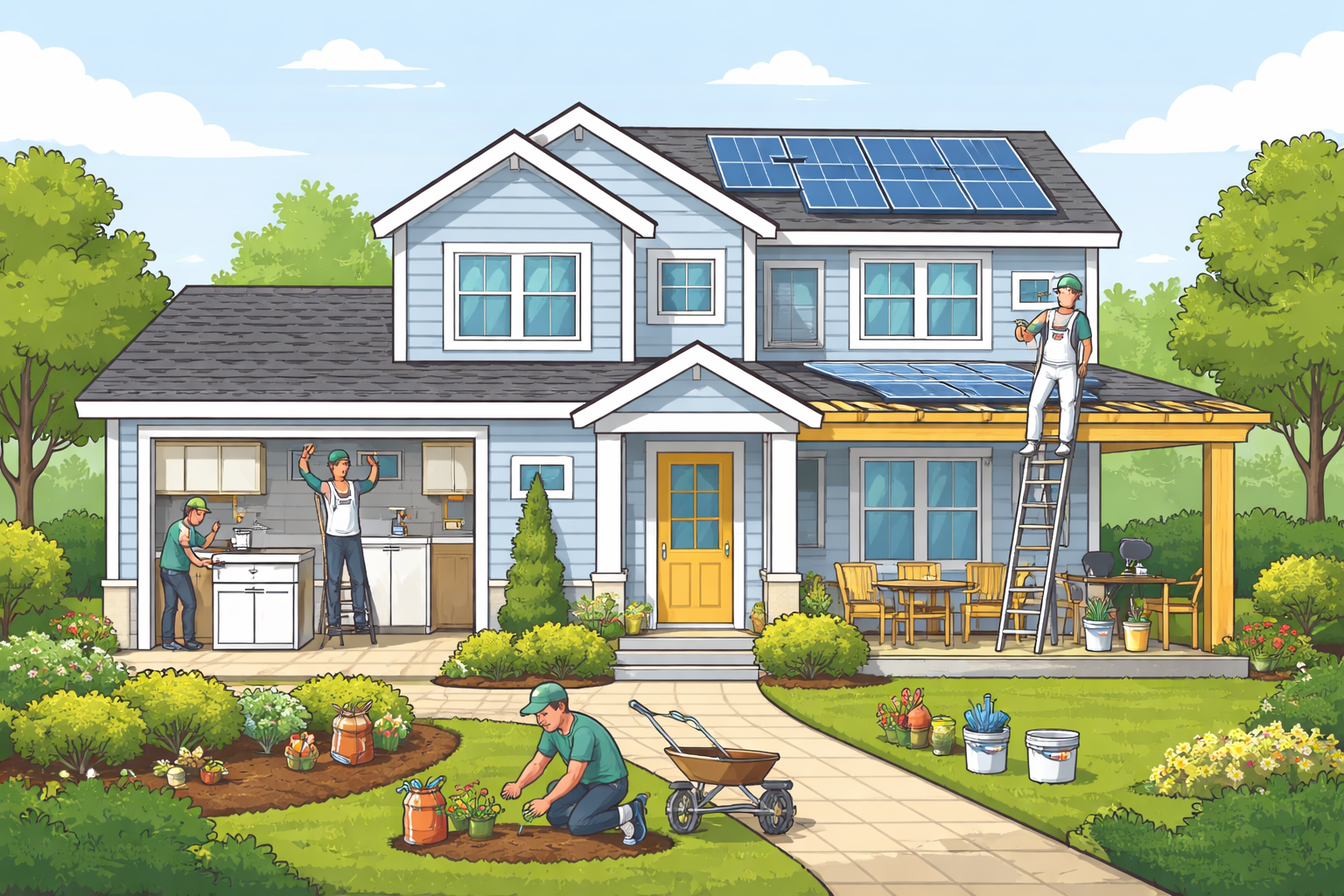
Home improvements remain one of the most reliable ways to increase property value while improving how your home looks, feels, and functions. Whether you’re preparing to sell or simply investing in long-term equity, the right upgrades can deliver measurable returns.
Not every renovation offers the same payoff. Strategic home improvements—especially those that enhance functionality, energy efficiency, and visual appeal—tend to deliver the strongest return on investment. Below, you’ll find a comprehensive breakdown of high-impact upgrades, planning strategies, and market considerations to help you make informed decisions.
Start With a Clear Improvement Strategy
Before choosing paint colors or demolition plans, step back and define your objective. Are you renovating to sell within the next year? Or are you upgrading for long-term comfort and gradual appreciation?
Define Your Primary Goal
Clarify whether your focus is:
- Increasing resale value
- Improving daily functionality
- Modernizing outdated spaces
- Enhancing energy efficiency
- Expanding square footage
Homes that align upgrades with a specific objective typically see better financial outcomes than those renovated without a strategy.
Set a Realistic Renovation Budget
Budget discipline protects your investment. Over-improving beyond neighborhood standards rarely produces proportional returns.
When setting your renovation budget:
- Research comparable home values in your area
- Allocate 10–20% for contingency expenses
- Prioritize projects with strong resale appeal
- Avoid cosmetic over-customization
Understanding home warranty can also help you safeguard major systems during and after renovations.
Kitchen Upgrades That Deliver Strong ROI
The kitchen consistently ranks as one of the most valuable spaces in any home. Buyers often make decisions based on this room alone.
Modern Cabinetry and Hardware
Refacing or repainting cabinets is often more cost-effective than replacing them entirely. Pair with modern hardware to create a refreshed aesthetic.
Soft-close hinges and updated drawer slides also enhance functionality—an often overlooked selling point.
Countertops and Backsplashes
Quartz and granite countertops continue to perform well in resale markets. Durable, low-maintenance surfaces attract buyers looking for longevity.
A neutral backsplash can elevate the space without overwhelming it.
Appliance Upgrades
Energy-efficient stainless-steel appliances improve both form and function. Smart appliances with programmable features are increasingly desirable in competitive markets.
Open-Concept Enhancements
Removing non-load-bearing walls or adding a kitchen island can dramatically improve flow. Open layouts feel larger and more inviting, often increasing perceived square footage.
Bathroom Renovations With High Buyer Appeal
Bathrooms may be smaller than kitchens, but they carry significant influence over property value.
Vanity and Fixture Updates
Replacing outdated vanities, faucets, and lighting instantly modernizes the space. Matte black and brushed nickel finishes remain popular and timeless.
Shower and Tub Improvements
Walk-in showers with frameless glass enclosures are highly desirable. In family-oriented markets, maintaining at least one bathtub can preserve buyer interest.
Tile and Flooring
Porcelain and ceramic tile offer durability and water resistance. Neutral tones appeal to broader audiences and prevent style fatigue.
Lighting and Ventilation
Proper ventilation prevents moisture damage and mold, protecting your investment long term. Layered lighting enhances usability and visual appeal.
Energy-Efficient Upgrades That Increase Long-Term Value
Energy efficiency isn’t just environmentally responsible—it’s financially strategic. Lower operating costs make homes more attractive to buyers.
Insulation Improvements
Upgrading attic and wall insulation improves climate control and reduces HVAC strain.
High-Performance Windows and Doors
Energy-efficient windows reduce heat transfer and enhance indoor comfort. Impact-rated windows may also lower insurance premiums in certain regions.
Smart Thermostats and Lighting
Programmable thermostats and LED lighting reduce monthly utility costs. These upgrades are relatively inexpensive but deliver noticeable savings.
HVAC System Modernization
A high-efficiency HVAC system significantly improves resale appeal. Buyers appreciate homes with recently upgraded mechanical systems.
Exterior Improvements That Boost Curb Appeal
First impressions influence buyer psychology before they ever step inside.
Landscaping and Lawn Care
Well-maintained landscaping increases perceived property value. Trimmed hedges, fresh mulch, and seasonal plantings create visual impact.
Exterior Paint or Siding
Fresh exterior paint modernizes the property and protects against environmental wear.
Entryway Enhancements
Upgrading the front door, adding updated house numbers, or improving outdoor lighting enhances curb appeal and safety.
Outdoor Living Spaces That Add Functional Square Footage
Buyers increasingly value flexible outdoor areas.
Decks and Patios
A well-built deck or patio expands usable living space. Materials such as composite decking offer durability with minimal maintenance.
Outdoor Kitchens and Fire Features
In warmer climates, outdoor kitchens and fire pits create lifestyle appeal and can increase market competitiveness.
Covered Spaces
Pergolas and covered patios provide shade and weather protection, making outdoor areas usable year-round.
Major Renovations: When They Make Sense
Large-scale renovations can dramatically increase property value—but they require careful planning.
Room Additions
Adding bedrooms or bathrooms typically produces strong returns if the home is below neighborhood average square footage.
Basement or Attic Conversions
Finished basements and converted attics increase livable space without expanding the home’s footprint.
Structural Reconfigurations
Altering floor plans can modernize outdated layouts. However, structural changes require professional engineering and permitting.
Before committing to a major home renovation, explore market data through reputable real estate insights and industry updates to ensure your investment aligns with buyer demand.
Leran more about
Market Considerations Before Renovating
Renovation value is highly market-dependent.
Study Comparable Properties
Review recently sold homes in your area. Focus on:
- Sale price
- Renovation quality
- Feature upgrades
- Days on market
Avoid Over-Improving
Installing luxury finishes in a modest neighborhood rarely yields proportional returns.
Timing Matters
In strong seller’s markets, moderate upgrades may suffice. In competitive markets, strategic renovations can create differentiation.
Safety and Professional Oversight
Renovations should never compromise safety or structural integrity.
Hire Licensed Contractors
Working with licensed professionals ensures code compliance and protects you from costly mistakes.
Pull Proper Permits
Unpermitted work can reduce resale value and create legal complications during inspections.
Follow Building Codes
Electrical, plumbing, and structural changes must meet local regulations to ensure long-term safety.
Renovations That Offer the Best Return on Investment
While ROI varies by region, the following upgrades consistently perform well:
- Minor kitchen remodels
- Bathroom updates
- Energy-efficient improvements
- Exterior refreshes
- Garage door replacement
- Entry door upgrades
Cosmetic refreshes often outperform expensive luxury additions when the goal is resale value.
Common Renovation Mistakes to Avoid
Even well-intentioned projects can undermine value.
Over-Personalization
Bold design choices may limit buyer appeal.
Ignoring Structural Issues
Cosmetic updates cannot compensate for foundational problems.
Underestimating Costs
Always plan for unexpected expenses.
DIY Without Experience
Improper installations can reduce value and create safety hazards.
Final Thoughts: Strategic Upgrades Create Lasting Value
Home improvements should balance lifestyle benefits with financial prudence. The most successful renovation projects are those that:
- Align with neighborhood standards
- Improve functionality
- Enhance energy efficiency
- Maintain broad buyer appeal
By planning strategically, budgeting carefully, and focusing on high-impact upgrades, you can significantly increase property value while creating a more comfortable and efficient living space.