

Green Tax Credits That Make Commercial Solar Worth It
May 19, 2026
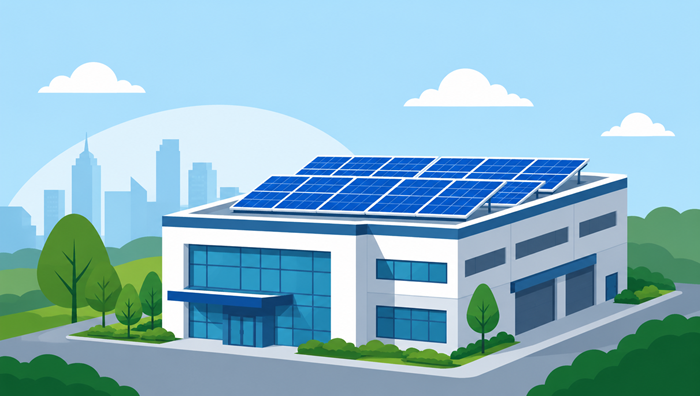
Businesses across the U.S. are rethinking how they manage energy costs, and commercial solar is quickly becoming one of the smartest long-term investments available. Rising utility rates, federal incentives, and sustainability goals are pushing more companies toward renewable energy solutions that deliver measurable savings year after year.
One of the biggest advantages is the financial relief available through green tax incentives. With the right system in place, businesses can significantly reduce upfront expenses while lowering operational costs over time. For companies exploring energy upgrades, working with the best solar installers can make the transition smoother and far more cost-effective.
Beyond monthly savings, solar energy also helps businesses strengthen their public image, increase property value, and improve energy independence. Whether you own a warehouse, office building, retail center, or manufacturing facility, understanding how tax credits work can help you maximize your return on investment.
Why Commercial Solar Is Growing So Fast
Commercial energy demand continues to rise, and businesses are looking for more predictable ways to manage long-term expenses. Traditional electricity costs fluctuate constantly, making budgeting difficult for many companies.
Solar power offers a more stable alternative. Once a system is installed, businesses can generate much of their own electricity and reduce dependence on utility providers. This is especially valuable for companies with large facilities or high daytime energy usage.
Another reason adoption is accelerating is the availability of green tax credits for business owners. Federal and state programs now provide substantial financial incentives that dramatically reduce installation costs.
At the same time, sustainability has become a competitive advantage. Customers increasingly prefer brands that invest in environmentally responsible practices, and solar energy is one of the most visible commitments a company can make.
Understanding Commercial Solar Tax Incentives
One of the biggest misconceptions about solar is that the upfront investment is too high. While installation requires capital, tax incentives can offset a large portion of the expense.
The federal Investment Tax Credit (ITC) remains one of the strongest incentives available. Eligible businesses can deduct a significant percentage of installation costs directly from federal taxes.
Additional benefits may include:
- Accelerated depreciation through MACRS
- State and local solar rebates
- Renewable energy grants
- Net metering programs
- Energy efficiency incentives
These programs work together to reduce the overall payback period, making solar much more accessible for businesses of all sizes.
Companies still evaluating timing often ask when should businesses invest in solar?. The answer usually depends on current energy expenses, available incentives, and long-term operational goals.
How Solar Can Reduce Your Business Tax Bill
Tax incentives tied to renewable energy are designed to encourage businesses to adopt cleaner technologies. Instead of simply offering rebates, many programs directly reduce taxable liability.
Here’s how businesses typically save:
Federal Investment Tax Credit
The ITC allows eligible companies to deduct a percentage of installation costs from federal taxes owed. This includes equipment, labor, permitting, and related expenses.
For larger systems, these savings can be substantial.
Accelerated Depreciation Benefits
Commercial solar systems often qualify for accelerated depreciation schedules. This allows businesses to recover installation costs more quickly through annual tax deductions.
Combined with the ITC, accelerated depreciation significantly improves project economics.
Lower Operating Costs
After installation, businesses immediately reduce utility expenses. Over time, those savings can be redirected toward growth, hiring, expansion, or operational upgrades.
Protection Against Utility Rate Increases
Electricity prices rarely stay stable. Solar systems help lock in predictable energy costs, reducing long-term exposure to rising utility rates.
What Affects Commercial Solar ROI?
Every commercial property is different, and returns can vary based on several factors.
Building Size and Energy Consumption
Facilities with high electricity usage generally see faster returns because they offset more utility expenses.
Warehouses, manufacturing plants, hotels, and large office buildings often benefit the most.
Roof Condition and Available Space
A structurally sound roof with good sun exposure improves system efficiency and reduces installation complexity.
Ground-mounted systems may also be an option for businesses with available land.
Local Incentive Programs
Some states and municipalities offer additional rebates that can dramatically reduce project costs.
These programs change frequently, so businesses should evaluate current opportunities before beginning installation.
System Design Quality
Not all installations are equal. Working with the best solar installation company can help ensure proper system sizing, performance optimization, and long-term reliability.
How to Estimate Commercial Solar Savings
Before moving forward, most businesses want a clear estimate of expected savings and payback timelines.
A detailed energy analysis can help determine:
- Projected utility savings
- Estimated tax incentives
- Installation costs
- Energy production levels
- Long-term ROI projections
Using a smart solar calculator can simplify the early planning process and provide a realistic picture of potential financial outcomes.
Businesses should also consider future expansion plans. A system designed with scalability in mind can support additional energy demand later on.
Choosing the Right Solar Partner
Selecting an experienced installer is one of the most important decisions in the process. Poor system design or low-quality equipment can reduce efficiency and increase maintenance costs over time.
When evaluating providers, businesses should look for:
- Commercial installation experience
- Strong customer reviews
- Transparent warranties
- Financing flexibility
- Proper certifications and licensing
- Proven project portfolio
Finding the best solar installer requires more than comparing quotes. Businesses should evaluate technical expertise, long-term support, and overall system performance expectations.
The Role of SunPower Solar in Commercial Projects
SunPower solar systems are widely recognized for high efficiency and long-term reliability. For commercial properties with limited roof space, higher-efficiency panels can generate more electricity using fewer modules.
Many businesses choose SunPower because of:
- Strong performance in high temperatures
- Long equipment warranties
- Advanced panel technology
- Consistent energy production
- Durable system design
Although premium systems may carry higher upfront costs, the long-term energy output often improves overall value.
Businesses with sustainability goals may also benefit from the strong reputation associated with high-performance solar technology providers.
Common Misconceptions About Commercial Solar
Despite growing adoption, several myths still prevent businesses from exploring solar opportunities.
“Solar Takes Too Long to Pay Off”
With today’s incentives and tax credits, many systems reach payback much faster than business owners expect.
High-energy-use facilities often see strong returns within several years.
“Maintenance Is Complicated”
Modern solar systems require relatively little maintenance. Most systems only need periodic inspections and occasional cleaning.
“Solar Only Works in Hot Climates”
Solar technology performs well in many different regions. Energy production depends more on sunlight exposure than outdoor temperature.
“The Upfront Cost Is Too High”
Financing options, leasing structures, and tax incentives have made solar accessible to far more businesses than ever before.
Long-Term Business Advantages Beyond Tax Savings
While tax reductions are a major benefit, solar energy provides broader operational advantages as well.
Improved Brand Reputation
Consumers increasingly support environmentally conscious businesses. Solar installations demonstrate a visible commitment to sustainability.
Better Energy Predictability
Businesses gain greater control over operating expenses and reduce dependence on fluctuating utility rates.
Increased Property Value
Commercial buildings equipped with renewable energy systems may become more attractive to buyers and tenants.
Stronger ESG Positioning
Environmental, social, and governance reporting has become increasingly important for many companies. Solar investments can support sustainability reporting goals and improve stakeholder perception.
How Financing Options Make Solar More Accessible
Not every business wants to pay for a system upfront. Fortunately, several financing options are available.
Solar Loans
Businesses can finance installations while still benefiting from tax incentives and long-term energy savings.
Power Purchase Agreements (PPAs)
Under a PPA, a third-party provider installs and maintains the system while the business purchases electricity at a reduced rate.
Equipment Leasing
Leasing arrangements reduce upfront costs while still allowing businesses to transition toward renewable energy.
Each financing structure comes with different tax implications, so companies should work with both financial advisors and solar professionals before making decisions.
Evaluating Installation Costs Carefully
One of the most searched concerns among business owners is commercial solar installation cost. Pricing varies based on system size, equipment quality, roof complexity, and regional labor expenses.
Instead of focusing only on initial pricing, businesses should evaluate total lifetime value. A slightly higher-quality system may generate significantly more savings over 20 to 30 years.
Companies researching providers often search for commercial solar companies near me because local expertise can simplify permitting, inspections, and ongoing support.
Likewise, experienced commercial solar panel installers understand how to optimize systems for specific business operations and building types.
The actual performance of solar panels depends heavily on installation quality, equipment selection, and long-term maintenance planning.
Is Commercial Solar Still Worth It in 2026?
For many businesses, the answer is yes.
Energy costs continue to rise, tax incentives remain attractive, and solar technology has become more efficient than ever. Businesses that delay adoption may miss valuable savings opportunities while continuing to pay higher utility bills.
The key is approaching solar strategically. A properly designed system supported by experienced professionals can deliver long-term financial and operational benefits for decades.
As sustainability expectations continue to grow across industries, solar energy is becoming less of a niche investment and more of a competitive business advantage.
FAQs
What tax credit is available for commercial solar?
Businesses may qualify for the federal Investment Tax Credit, which reduces federal tax liability based on installation costs.
How long does commercial solar take to pay off?
Most systems reach payback within several years depending on energy usage and incentives.
Can businesses finance commercial solar systems?
Yes, many providers offer loans, leases, and power purchase agreements.
Do commercial solar systems require frequent maintenance?
No, most systems require only minimal inspections and occasional cleaning.
Does solar increase commercial property value?
In many cases, energy-efficient properties become more attractive to buyers and tenants.