

Popular Types of Home Renovations Homeowners Consider
March 5, 2026
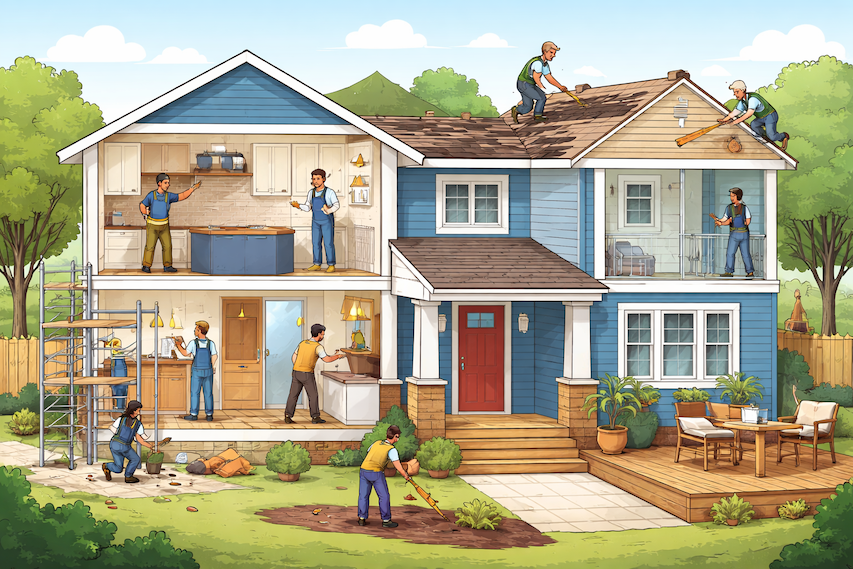
Home renovation is one of the most effective ways to improve comfort, functionality, and long-term property value. Whether you’re updating an older house or customizing a recently purchased home, renovations allow you to shape your living space around your lifestyle.
From simple visual upgrades to major structural changes, homeowners have a wide range of renovation options available. Each type of renovation serves a different purpose—some improve aesthetics, others increase efficiency, while some completely transform how a home functions.
Understanding the different types of home renovation projects can help you decide where to invest your time and budget. Below is a comprehensive breakdown of the most common renovation categories and how they impact both your living experience and your property’s value.
Structural Renovations
Structural renovations involve significant changes to the framework or layout of a home. These projects go beyond surface-level updates and focus on altering how the home is built or organized.
Because structural changes affect the integrity and safety of the property, they typically require professional planning, permits, and engineering approval.
Homeowners often pursue structural renovations when they want to modernize older layouts, expand living space, or improve the overall flow of the home.
Common Structural Renovation Projects
Structural renovations may include:
- Removing load-bearing or partition walls
- Expanding rooms or adding extensions
- Raising ceilings or modifying rooflines
- Converting garages into living spaces
- Building additional floors or second stories
Many of these upgrades require careful compliance with local building codes and approvals. Before starting construction, homeowners should understand regulations surrounding projects that involve structural home improvement permits.
Benefits of Structural Renovations
Structural changes can dramatically improve how a home functions. For example, removing walls can create open-concept layouts, while extensions can accommodate growing families.
These upgrades also tend to deliver strong resale value because they enhance the overall usability of the property.
Cosmetic or Aesthetic Renovations
Cosmetic renovations focus on visual upgrades rather than major construction changes. These projects refresh the appearance of a home while keeping the underlying structure intact.
Because they typically require less demolition and construction, cosmetic renovations are often faster and more budget-friendly than structural projects.
They are also popular among homeowners preparing a property for sale or those wanting to modernize outdated interiors.
Typical Cosmetic Renovation Upgrades
Cosmetic improvements can include:
- Interior or exterior painting
- Installing new flooring materials
- Updating lighting fixtures
- Replacing cabinetry hardware
- Installing modern trim and molding
- Refreshing wall textures or finishes
Even relatively small visual upgrades can significantly improve how a home feels. A fresh coat of paint, updated flooring, and modern lighting can make an older home appear dramatically newer.
Why Cosmetic Renovations Are Popular
Cosmetic renovations provide a high visual impact with relatively lower cost. Homeowners often prioritize these projects when they want immediate improvements without committing to major structural construction.
They are also ideal for homeowners who want to personalize their living space without altering the architectural layout.
Kitchen Remodeling
The kitchen is widely considered the centerpiece of a home. It’s where families gather, meals are prepared, and daily routines begin and end. Because of its central role, kitchen remodeling remains one of the most sought-after renovation projects.
A well-planned kitchen renovation can improve workflow, increase storage, and enhance the overall atmosphere of the home.
Common Kitchen Remodeling Upgrades
Kitchen renovations can range from minor updates to complete redesigns. Popular upgrades include:
- Installing new countertops and backsplashes
- Replacing outdated appliances
- Upgrading cabinetry and storage systems
- Adding kitchen islands or breakfast bars
- Improving lighting and ventilation
- Reconfiguring the layout for better functionality
Many homeowners choose to modernize their kitchens through projects such as full kitchen renovation upgrades.
Why Kitchen Renovations Add Value
Kitchen remodeling consistently ranks among the top home improvement projects for return on investment. Updated kitchens make homes more appealing to buyers while improving everyday functionality for current homeowners.
Even modest updates—such as new countertops, lighting, or cabinetry—can significantly elevate a kitchen’s appearance.
Bathroom Renovations
Bathrooms are another key focus for homeowners seeking to improve comfort and property value. A well-designed bathroom can create a relaxing environment while also improving efficiency and storage.
Bathroom renovations range from simple fixture replacements to complete spa-style transformations.
Popular Bathroom Upgrade Ideas
Bathroom renovation projects often include:
- Installing new tile flooring and wall finishes
- Replacing outdated sinks, toilets, and tubs
- Adding modern walk-in showers
- Improving lighting and ventilation
- Expanding storage with custom vanities
- Updating plumbing fixtures and hardware
Some homeowners also incorporate luxury elements such as rainfall showers, heated floors, or freestanding bathtubs.
Improving Comfort and Functionality
Bathrooms are used daily, which means even small improvements can make a noticeable difference. Updated layouts, better lighting, and modern fixtures can improve both convenience and aesthetics.
Additionally, modern bathrooms with energy-efficient fixtures help reduce water consumption while enhancing comfort.
Energy-Efficient Renovations
Energy efficiency has become a major priority for homeowners looking to reduce utility costs and minimize environmental impact. Energy-efficient renovations focus on improving how a home consumes and conserves energy.
These upgrades can significantly lower monthly expenses while increasing long-term property value.
Common Energy-Efficiency Upgrades
Energy-efficient renovations often include:
- Installing high-efficiency windows and doors
- Improving insulation in walls and attics
- Upgrading HVAC systems
- Switching to LED lighting
- Installing smart thermostats
- Using energy-efficient appliances
Many homeowners also invest in solar panels or energy-monitoring systems to further reduce electricity consumption.
Long-Term Benefits of Energy Improvements
Energy upgrades provide both environmental and financial benefits. Homes with efficient insulation, modern HVAC systems, and energy-saving appliances tend to have lower operating costs.
These improvements also appeal to environmentally conscious buyers and can increase resale potential.
Exterior Renovations
Exterior renovations improve the outer appearance and durability of a home. Because the exterior is the first thing visitors or potential buyers see, these upgrades can dramatically enhance curb appeal.
Exterior improvements often combine aesthetics with structural maintenance.
Examples of Exterior Renovation Projects
Common exterior renovation upgrades include:
- Replacing siding or exterior cladding
- Repairing or replacing roofing materials
- Updating windows and doors
- Building decks, patios, or outdoor living spaces
- Landscaping improvements
- Installing outdoor lighting
These projects not only improve visual appeal but also help protect the home from weather damage and structural wear.
Why Exterior Improvements Matter
Well-maintained exteriors signal that a property has been properly cared for. Improvements such as new siding, roofing, or landscaping can make a home stand out in the real estate market.
In addition, outdoor living spaces have become increasingly popular as homeowners look for ways to expand usable space.
Whole-Home Renovations
Some homeowners choose to renovate multiple areas of their home at once. Whole-home renovations involve comprehensive upgrades across several rooms or systems.
These projects are often undertaken when purchasing an older property or modernizing an entire home.
When Whole-Home Renovations Make Sense
A full renovation may be appropriate when:
- The home has outdated electrical or plumbing systems
- Several rooms require modernization
- The layout no longer fits the homeowner’s lifestyle
- The property needs significant repairs
Although these renovations require careful planning and budgeting, they can dramatically transform an aging property into a modern living space.
Planning a Successful Renovation Project
Regardless of the renovation type, careful planning is essential for success. Home improvement projects involve budgeting, scheduling, contractor coordination, and regulatory approvals.
Homeowners should start by identifying priorities and defining their renovation goals.
Key Steps Before Starting a Renovation
Before beginning any renovation project, it’s important to:
- Establish a clear renovation budget
- Identify must-have upgrades versus optional improvements
- Research contractors and verify credentials
- Understand permit requirements
- Create a realistic project timeline
When selecting professionals for larger projects, homeowners typically review important considerations when hiring a contractor.
Taking time to properly plan ensures smoother construction and helps avoid costly mistakes.
Final Thoughts on Home Renovation Projects
Home renovations offer an opportunity to improve comfort, functionality, and property value. Whether you’re updating a single room or transforming an entire house, choosing the right type of renovation can make a significant difference in the final result.
Structural improvements can enhance layout and space, while cosmetic upgrades refresh the home’s appearance. Kitchen and bathroom remodels add both convenience and resale value, and energy-efficient renovations help reduce long-term costs.
Exterior upgrades further strengthen curb appeal and protect the home from environmental wear.
By understanding the various types of home renovations available, homeowners can make informed decisions that align with their needs, budget, and long-term goals. With thoughtful planning and professional guidance, any renovation project can turn an ordinary home into a personalized and highly functional living space.