

What Standard Home Insurance Doesn’t Cover
March 4, 2026
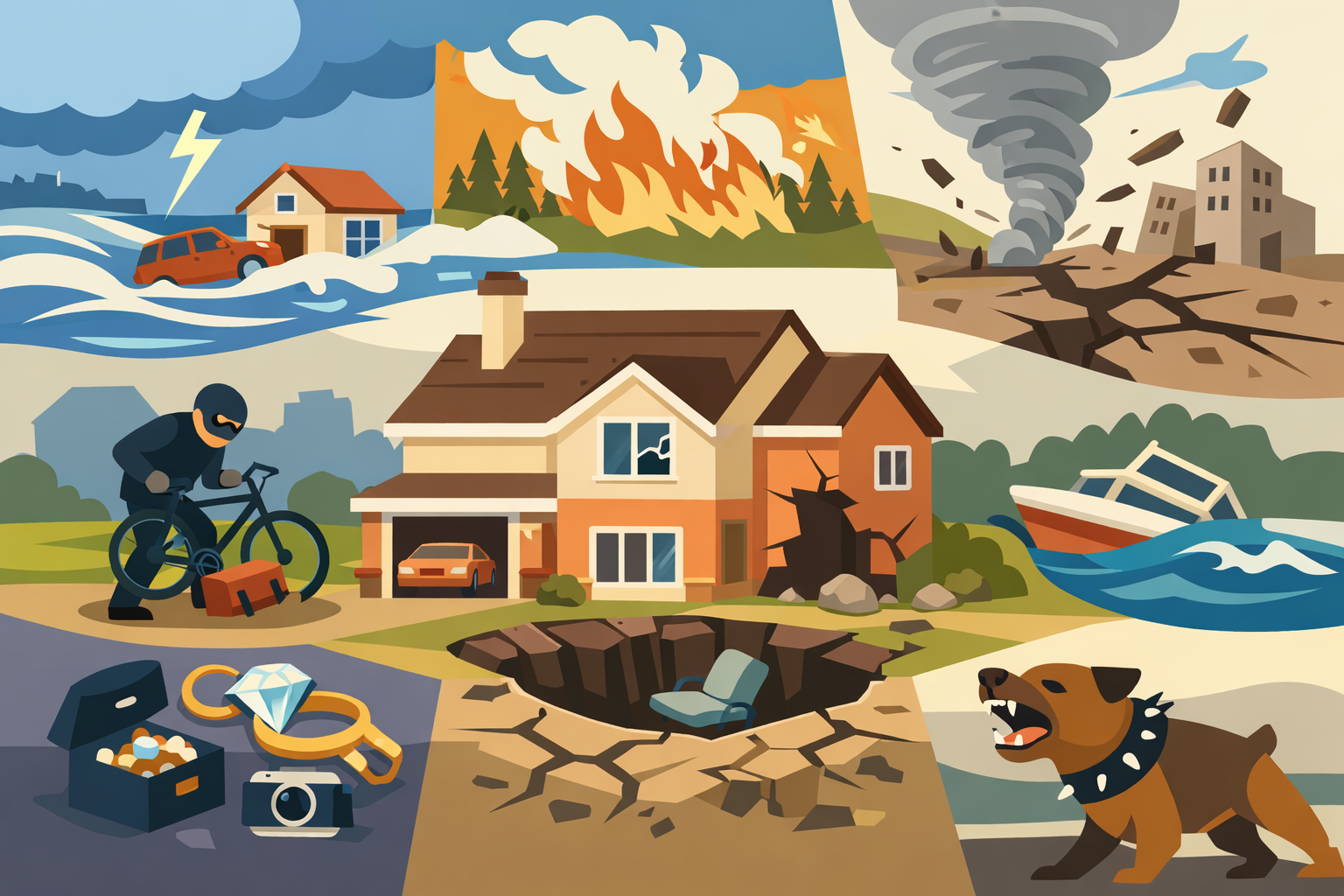
Homeowners insurance is designed to protect one of your most valuable investments—your home. Most policies cover major events such as fires, theft, certain storms, and liability claims if someone is injured on your property. These protections can help repair structural damage, replace stolen belongings, and cover legal expenses.
However, many homeowners assume their insurance covers every possible risk. In reality, standard homeowners insurance policies include important limitations and exclusions. Certain situations, damages, and activities fall outside the scope of coverage unless you purchase additional policies or endorsements.
Understanding what your policy does not cover is just as important as knowing what it does. When you understand these gaps, you can take proactive steps to protect your home, finances, and peace of mind.
Below are some of the most common situations and risks that standard homeowners insurance typically does not cover.
Short-Term Rentals and Home-Sharing Risks
The rise of short-term rental platforms has made it easier than ever to rent out your home or spare room. While this can generate extra income, it can also create unexpected insurance complications.
Most standard homeowners insurance policies are designed for personal residential use, not for commercial activities. Renting out your property—even occasionally—may fall outside the intended coverage of your policy.
Why Short-Term Rentals Are Often Excluded
Insurance companies view short-term rentals as a business activity. When guests pay to stay in your home, the risk profile changes significantly. More frequent visitors, potential property damage, and liability concerns increase the chances of a claim.
Because of this, standard homeowners policies often exclude coverage for incidents involving paying guests.
For example:
- Damage caused by a short-term renter may not be covered.
- Injuries suffered by paying guests may fall outside liability protection.
- Theft or damage to personal belongings may not be reimbursed.
If a fire or accident occurs while a paying guest is staying in your home, your policy might deny the claim.
Insurance Options for Home-Sharing
If you plan to rent out your home regularly, it’s important to explore coverage designed specifically for that purpose.
Options may include:
- Landlord insurance
- Short-term rental insurance endorsements
- Business insurance policies
- Coverage offered by rental platforms
Before listing your home on rental platforms, it’s wise to review your policy carefully and understand how your coverage works. Learning about the differences between warranties and insurance can also help clarify protection options.
Earthquake Damage
Earthquakes are among the most destructive natural disasters, yet they are not typically covered by standard homeowners insurance policies.
This exclusion often surprises homeowners, especially those living in regions with known seismic activity.
Why Earthquake Coverage Is Separate
Earthquake damage can cause extensive structural destruction, including:
- Cracked foundations
- Collapsed walls
- Structural instability
- Damage to plumbing and electrical systems
Because earthquake losses can be extremely expensive and widespread, most insurers separate this risk from standard policies.
Where Earthquake Insurance Is Most Important
Certain states and regions in the United States have higher earthquake risk levels. Areas such as California, Oklahoma, Washington, and parts of Alaska experience more frequent seismic activity.
Homeowners in these areas often purchase separate earthquake insurance policies to protect their property.
Earthquake coverage may include protection for:
- Structural damage
- Personal property loss
- Additional living expenses if the home becomes uninhabitable
Without this additional policy, earthquake damage repairs would likely have to be paid entirely out of pocket.
Flood Damage
Flooding is one of the most common and costly natural disasters in the United States. Despite its frequency, flood damage is not included in standard homeowners insurance policies.
Many homeowners mistakenly believe storm-related water damage automatically qualifies for coverage. However, insurers typically distinguish between different types of water damage.
The Difference Between Flooding and Water Damage
Homeowners insurance may cover certain types of internal water damage, such as:
- Burst pipes
- Sudden plumbing leaks
- Water damage caused by appliance failures
However, flooding caused by external water sources is excluded. This includes situations where water enters the home due to:
- Heavy rainfall
- Storm surges
- Overflowing rivers or lakes
- Rapid snowmelt
- Coastal flooding
Flood Insurance Options
Flood insurance is typically obtained through:
- The National Flood Insurance Program (NFIP)
- Private flood insurance providers
In some high-risk areas, lenders may require homeowners to carry flood insurance as part of their mortgage agreement.
Flood policies generally cover:
- Structural damage
- Electrical and plumbing systems
- Appliances
- Flooring and walls
- Limited personal property
Because flood damage can be devastating, homeowners in flood-prone areas should carefully consider this additional coverage.
Running a Business From Home
Working from home has become increasingly common, especially with the growth of remote work and online businesses. However, standard homeowners insurance policies usually provide limited protection for business activities conducted in the home.
Limited Coverage for Business Property
Some homeowners policies provide small allowances for business-related equipment and supplies. These limits are often relatively low.
Typical coverage limits may include:
- Up to $2,500 for business equipment stored at home
- Around $1,500 for equipment damaged or stolen off-site
These limits may not be sufficient for home businesses that rely on specialized tools, computers, or inventory.
What Homeowners Insurance Does Not Cover
Standard policies generally do not cover:
- Loss of business income
- Client lawsuits or liability claims
- Data loss or cyber-related incidents
- Damage to large inventories or specialized equipment
If your business operates primarily from your home, additional protection may be necessary.
Business Insurance for Home-Based Work
Depending on your situation, you may consider:
- Home business endorsements
- Business owners policies (BOP)
- Professional liability insurance
- Commercial property insurance
Damage Caused by Poor Maintenance
Homeowners insurance is designed to cover sudden and accidental damage, not problems that develop due to neglect or lack of maintenance.
Insurance companies expect homeowners to properly maintain their property and address issues before they become major problems.
Examples of Maintenance-Related Damage
Damage resulting from long-term neglect is typically excluded from coverage.
Common examples include:
- Mold caused by long-term moisture issues
- Termite or pest infestations
- Gradual roof deterioration
- Plumbing leaks that develop over time
- Structural issues caused by neglect
Because these issues usually occur gradually, insurers consider them preventable through proper maintenance.
Why Maintenance Matters
Routine maintenance plays a major role in preventing costly damage.
Important maintenance tasks include:
- Inspecting roofing and gutters
- Checking plumbing systems
- Maintaining HVAC equipment
- Repairing small leaks promptly
- Monitoring foundation and structural integrity
Regular inspections can help identify potential problems before they become expensive repairs.
Other Common Home Insurance Exclusions
Beyond the major categories above, homeowners insurance may also exclude several other types of risks.
These exclusions vary by insurer and policy type, but commonly include:
- Landslides
- Sinkholes
- Sewer backups (unless added as coverage)
- Wear and tear from aging
- Government actions or seizures
- Intentional damage
Policy details can differ significantly between insurance providers, which makes reviewing your policy documents essential.
Why Understanding Coverage Gaps Matters
Many homeowners only review their insurance policy when they file a claim. Unfortunately, that is often when they discover important exclusions.
Understanding your policy before an incident occurs allows you to:
- Identify coverage gaps
- Add necessary endorsements
- Purchase additional policies
- Reduce financial risk
- Avoid unexpected claim denials
Insurance works best when it is part of a proactive risk management strategy rather than a last-minute solution.
Final Thoughts
Homeowners insurance provides valuable protection for your property, but it is not designed to cover every possible situation. Flooding, earthquakes, business operations, rental activities, and maintenance-related damage are among the most common exclusions.
Knowing these limitations helps you make smarter decisions about additional protection and preventive maintenance.
If you are unsure what your policy covers, reviewing your policy documents and speaking with your insurance provider can help clarify your protection.
A well-informed homeowner is far better prepared to protect their property, finances, and long-term peace of mind.