

Car Insurance vs. Motorcycle Insurance: Key Differences
September 18, 2026
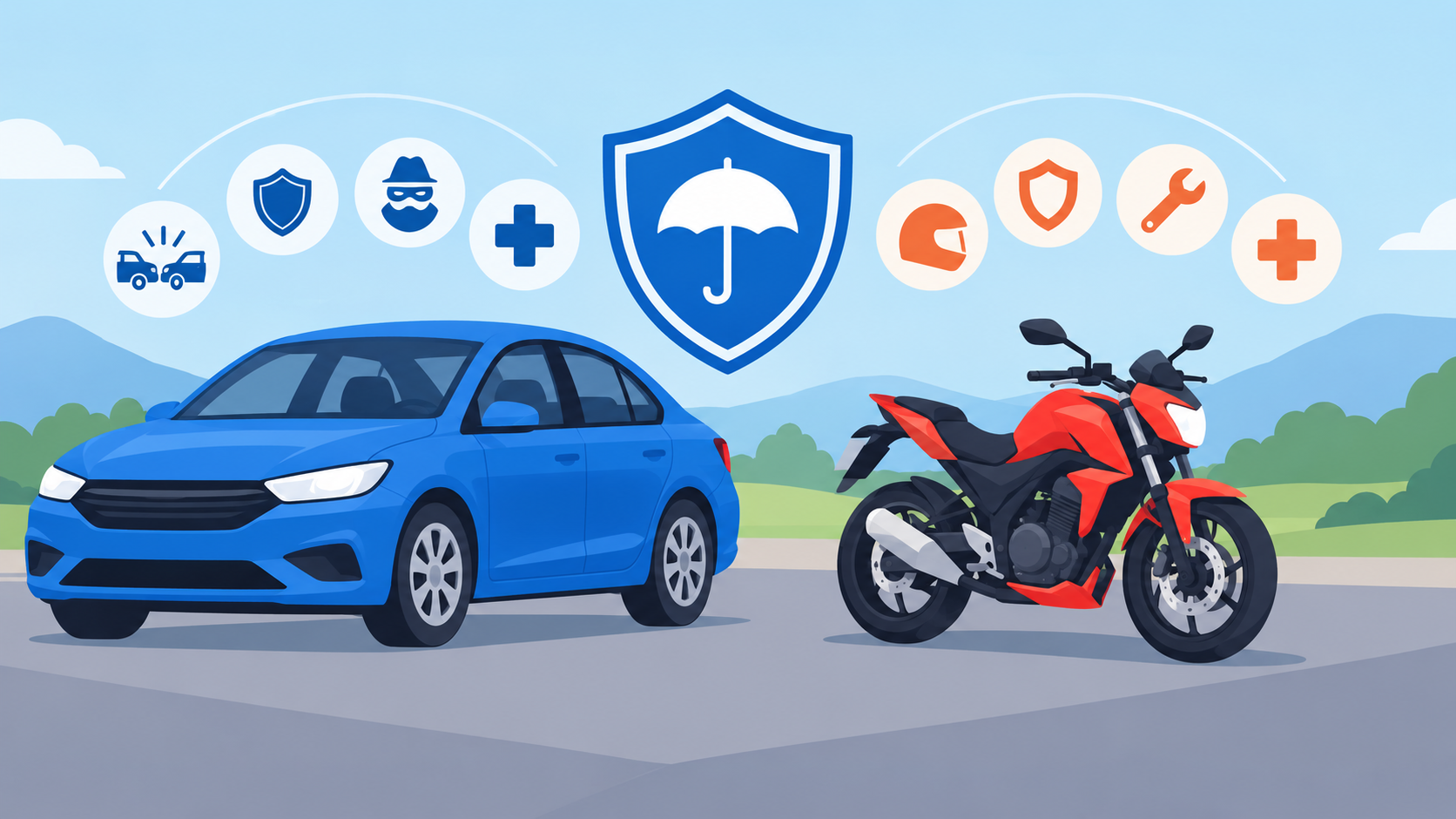
Car insurance and motorcycle insurance both protect you financially after an accident, but they are designed around different vehicles, risks, and coverage needs. Understanding the differences can help you choose appropriate liability, medical, collision, comprehensive, and specialty coverage for the way you drive or ride.
If you own both a car and a motorcycle, it may be tempting to assume that one policy works much like the other. While many basic insurance concepts are similar, motorcycle policies can include coverage specifically designed for riders, motorcycles, accessories, custom parts, and riding equipment.
The price of either policy also depends on factors such as your location, driving or riding history, vehicle type, coverage limits, deductible, and how you use the vehicle. Motorcycle insurance is not automatically cheaper, and car insurance is not automatically more expensive.
Here is what to know when comparing car insurance vs. motorcycle insurance.
Key Differences Between Car and Motorcycle Insurance
Car and motorcycle insurance share several core coverages, including liability, collision, and comprehensive insurance. The biggest differences come from the risks associated with riding a motorcycle and the specialized protection available for motorcycle equipment and customizations.
A motorcycle leaves the rider more exposed in a crash than a person inside a car, which can make injury-related coverage particularly important. Motorcycle policies may also provide options for helmets, riding apparel, accessories, custom parts, and other equipment.
Car Insurance at a Glance
Auto insurance generally combines liability protection with optional coverage for your own vehicle. Depending on the state and policy, coverage may include bodily injury liability, property damage liability, collision, comprehensive, medical payments, personal injury protection, and uninsured or underinsured motorist coverage.
Most U.S. states require drivers to maintain certain forms of financial responsibility or liability coverage, although the exact requirements vary by state.
Motorcycle Insurance at a Glance
Motorcycle insurance provides similar basic protection but is designed specifically for motorcycles and riders. Common coverage options include liability, collision, comprehensive, medical payments, uninsured or underinsured motorist coverage, and additional protection for accessories or custom parts.
Motorcycle policies can also include specialized coverage for riding equipment and other items that are more closely associated with motorcycle ownership.
Car Insurance vs. Motorcycle Insurance Coverage
The most important difference is not simply what the insurance is called. It is what each policy protects and how those coverages apply to the vehicle and its owner.
Liability Coverage
Liability insurance helps pay for injuries or property damage you cause to another person when you are legally responsible for an accident.
For cars, liability coverage commonly includes bodily injury liability and property damage liability. These coverages can help pay for another person’s medical expenses, vehicle repairs, property damage, and certain legal costs, subject to the policy limits.
Motorcycle liability insurance works similarly. It can help cover injuries or property damage you cause to others in a covered accident.
The important point is that liability coverage generally does not pay to repair your own vehicle. Protection for your own car or motorcycle typically requires additional physical-damage coverage.
Collision Coverage
Collision insurance helps pay for damage to your own vehicle after a covered collision, subject to your deductible and policy terms.
For a car, this could include damage from hitting another vehicle, a stationary object, or certain rollover accidents. Motorcycle collision coverage similarly applies when your motorcycle is damaged in a covered collision.
Because motorcycles have different designs and components, repair costs can vary considerably depending on the model, parts, modifications, and extent of the damage.
Comprehensive Coverage
Comprehensive coverage protects against covered events other than collisions.
For either a car or motorcycle, examples can include theft, vandalism, fire, certain weather events, and damage from falling objects or animals. The exact covered events depend on the policy.
Comprehensive coverage can be particularly important for motorcycles because a motorcycle can remain vulnerable to theft or weather-related damage even when it is parked or stored.
Medical Payments and Personal Injury Protection
Medical-related coverage can be especially important when comparing cars and motorcycles.
Depending on the state and insurer, auto policies may offer medical payments coverage or personal injury protection (PIP). PIP can provide benefits for medical expenses and, depending on the policy and state, certain other costs such as lost wages.
Motorcycle policies may also offer medical payments or other injury-related coverage, but availability and requirements vary by state and insurer.
Because motorcycle riders do not have the same physical protection provided by a vehicle cabin, it is worth reviewing medical and injury coverage carefully rather than assuming your basic liability policy will protect you personally.
Why Motorcycle Insurance Can Cost More or Less Than Car Insurance
There is no universal rule that motorcycles are always cheaper to insure than cars.
Motorcycles may have lower purchase prices and potentially lower repair costs than some cars, but insurers also consider the risks associated with motorcycle riding. Your age, riding experience, driving record, location, motorcycle type, claims history, coverage limits, and deductible can all affect your premium.
Why Motorcycle Insurance May Be Cheaper
A motorcycle can have a lower replacement value than many cars, which can reduce the potential cost of certain physical-damage claims.
However, that does not mean every motorcycle policy will be inexpensive. A high-performance motorcycle, expensive touring bike, custom motorcycle, or model with costly parts may require more coverage.
Why Motorcycle Insurance May Cost More
The potential severity of rider injuries is an important factor insurers consider when pricing motorcycle coverage.
Your premium can also increase based on the type of motorcycle you own, your experience level, your location, your claims history, and the coverage limits you choose.
For this reason, comparing the actual quotes and coverage details is more useful than assuming motorcycle insurance will always cost less than car insurance.
What Affects Your Insurance Premium?
Several factors can influence what you pay for either type of policy:
-
Age and driving or riding experience
-
Driving and claims history
-
Location
-
Vehicle make and model
-
Motorcycle type and engine characteristics
-
Vehicle value
-
Coverage limits
-
Deductibles
-
Annual mileage or usage
-
Safety or security features
-
Insurance history
-
Available discounts
-
Credit-based insurance factors where permitted by state law
Two people with similar vehicles can therefore receive very different insurance quotes.
Motorcycle Insurance Has Specialized Coverage Options
One of the clearest differences between car and motorcycle insurance is the type of equipment that may need protection.
A motorcycle can have custom paint, upgraded wheels, saddlebags, aftermarket electronics, special seats, handlebars, and other accessories. Standard coverage may not fully protect the added value of these modifications unless appropriate coverage is included.
Some motorcycle insurers offer specific coverage for custom parts, accessories, and riding apparel. For example, motorcycle accessory coverage can apply to items such as custom paint, wheels, seats, saddlebags, electronics, and other upgrades, depending on the policy.
Accessories and Riding Gear
Motorcycle riders may invest in helmets, protective clothing, saddlebags, communication systems, luggage, and other equipment.
Some policies offer specialized protection for these items, while others may provide limited coverage or require an additional endorsement. Check the policy’s definitions, limits, deductibles, and exclusions before assuming your equipment is covered.
Custom and Modified Motorcycles
If you have invested significant money in modifications, tell your insurer.
A standard motorcycle policy may have limits on how much it pays for aftermarket accessories or custom parts. Specialty coverage can provide additional protection for eligible modifications.
The same principle applies to modified cars. Custom wheels, upgraded audio systems, special paint, performance modifications, and other aftermarket equipment may require additional coverage to protect their full value.
Motorcycle Insurance and Seasonal Storage
Motorcycles are often used differently from cars, particularly in areas where weather makes riding difficult during part of the year.
If you store your motorcycle for an extended period, you may be able to adjust certain coverages depending on your insurer and circumstances. However, cancelling your entire policy can leave the motorcycle unprotected against theft, vandalism, fire, and weather damage while it is stored.
Some insurers allow riders to reduce or modify riding-related coverage during storage rather than completely cancelling the policy. If the motorcycle is financed or leased, the lender may also require certain physical-damage coverage to remain active.
Before changing your policy, check your lender’s requirements and ask your insurer exactly what remains covered while the motorcycle is stored.
Safety and Risk Differences Between Cars and Motorcycles
Motorcycle insurance pricing reflects more than the value of the vehicle. The riding environment and potential consequences of an accident also matter.
Unlike a person inside a car, a motorcycle rider does not have a surrounding vehicle structure, seat belt system, or airbags providing the same type of protection.
That makes rider safety an important consideration when choosing coverage.
Motorcycle Safety Training
Completing an approved motorcycle safety course may improve riding skills and may qualify you for an insurance discount with some insurers.
Discount eligibility varies, so ask your insurer whether a recognized safety course qualifies for a premium reduction.
Security Devices
Anti-theft devices, secure storage, alarms, tracking systems, and other security measures may also affect eligibility for certain discounts.
The insurer determines which devices qualify and how much they can affect the premium.
Keeping a Clean Record
A clean driving or riding record can help you avoid some premium increases associated with tickets and at-fault accidents.
Safe riding is therefore valuable for two reasons: it can reduce the likelihood of an accident and may help you qualify for certain insurance savings.
State Insurance Requirements Are Different
Insurance requirements vary across the United States, so you should not assume that the legal requirements for your car automatically apply to your motorcycle.
Most states require drivers to maintain liability coverage or another form of financial responsibility for cars. Motorcycle liability requirements also exist in most states, but the exact minimums and additional requirements differ.
Car Insurance Requirements
State laws can specify minimum liability limits and may require additional coverage such as uninsured motorist coverage or medical-related protection.
Your lender may also require collision and comprehensive coverage if you finance or lease a vehicle.
Motorcycle Insurance Requirements
Motorcycle laws can include requirements involving liability coverage, financial responsibility, motorcycle endorsements, helmets, and other safety rules.
Because requirements vary by state, check the rules where the motorcycle is registered and operated rather than relying on another state’s requirements.
Legal minimum coverage should also not automatically be treated as the same thing as adequate financial protection. Minimum limits may leave you responsible for costs that exceed your policy limits after a serious accident.
Ways to Save on Car and Motorcycle Insurance
You can often reduce insurance costs without simply choosing the lowest coverage limits.
The goal is to find a combination of coverage, deductibles, discounts, and limits that fits your budget without leaving important risks uncovered.
Bundle Multiple Policies
If you own both a car and motorcycle, ask whether your insurer offers a multi-policy discount.
Keeping multiple policies with one company may simplify billing and account management while potentially qualifying you for a discount. You can review available car and motorcycle insurance coverage options to compare the types of protection available.
Ask About Safety Discounts
Ask your insurer about discounts for defensive driving courses, motorcycle safety training, anti-theft devices, safe driving history, and other qualifying factors.
Not every discount is available in every state or from every insurer.
Adjust Your Deductible Carefully
A higher deductible can lower your premium, but it also means you will pay more out of pocket after a covered claim.
Choose a deductible you could realistically afford if your vehicle or motorcycle were damaged.
Maintain a Clean Driving Record
Tickets and at-fault accidents can affect insurance costs. Following traffic laws and maintaining a safe driving record can help keep your insurance profile stronger over time.
Compare Quotes With the Same Coverage
When comparing insurers, make sure you are comparing similar liability limits, deductibles, physical-damage coverage, and optional benefits.
A quote that appears cheaper may simply provide less coverage.
You can also review ways to lower your auto insurance costs while maintaining useful coverage when evaluating your options.
How to Compare Car and Motorcycle Insurance Policies
Price should be only one part of the comparison.
A useful comparison looks at what each policy covers, what it excludes, how much you would pay after a claim, and whether the policy protects the specific equipment you own.
Compare Coverage Limits
Start with liability limits. Consider how much financial exposure you could face if you caused a serious accident.
Then review collision and comprehensive coverage if you want protection for your own vehicle.
Compare Deductibles
Check the deductible for each physical-damage coverage.
A policy may have different deductibles for collision and comprehensive claims, so do not assume there is one deductible for everything.
Check Exclusions
Read the policy’s exclusions carefully.
Motorcycle policies may have specific limitations involving racing, track use, commercial use, certain modifications, or other activities. Coverage depends on the policy’s terms.
Check Custom Parts and Equipment Coverage
If your motorcycle or car has expensive modifications, verify exactly how those items are covered.
Do not assume an aftermarket part automatically receives the same protection as factory equipment.
Review Claims and Repair Options
Find out how the insurer handles repairs, parts, estimates, towing, and claims.
For motorcycles, it can also be useful to understand whether the insurer has repair facilities or claims processes familiar with motorcycle-specific repairs.
Car Insurance vs. Motorcycle Insurance: Quick Comparison
| Coverage or Feature | Car Insurance | Motorcycle Insurance |
|---|---|---|
| Liability coverage | Commonly available and often legally required | Commonly available and often legally required |
| Collision coverage | Protects against covered collision damage | Protects against covered collision damage |
| Comprehensive coverage | Covers eligible non-collision losses | Covers eligible non-collision losses |
| Medical coverage | May include MedPay or PIP depending on state | Medical-related coverage may be available |
| Custom parts | May require additional coverage | Specialized accessory/custom-part coverage may be available |
| Riding gear | Usually not a central policy feature | Specialized coverage may be available |
| Seasonal storage | Generally less relevant | Can be important for riders in seasonal climates |
| Safety discounts | May be available | Motorcycle safety-course discounts may be available |
| State requirements | Vary by state | Vary by state |
The exact coverage available depends on the insurer, state, vehicle, and policy.
Key Takeaways
-
Car and motorcycle insurance use many of the same basic coverage types, but motorcycle policies are designed around the specific risks of riding.
-
Liability coverage generally protects you when you are legally responsible for injuries or property damage to others.
-
Collision and comprehensive coverage can protect your own car or motorcycle against covered physical damage.
-
Motorcycle policies may offer specialized protection for custom parts, accessories, helmets, riding apparel, and other equipment.
-
Motorcycle insurance is not automatically cheaper than car insurance. Pricing depends on the rider, vehicle, location, coverage, and insurer.
-
State insurance requirements differ, so check the rules that apply where your vehicle is registered and operated.
-
Comparing quotes is most useful when you compare equivalent coverage limits, deductibles, and policy features.
-
If you own a customized motorcycle or car, confirm how aftermarket parts and modifications are treated before purchasing a policy.
Frequently Asked Questions
Is motorcycle insurance cheaper than car insurance?
Motorcycle insurance can be cheaper than car insurance in some situations, but there is no universal price difference. Premiums depend on factors such as the motorcycle or car, driver or rider profile, location, coverage limits, deductible, claims history, and insurer.
Is motorcycle insurance different from auto insurance?
Yes. Both can provide liability, collision, comprehensive, and medical-related coverage, but motorcycle insurance is specifically designed for motorcycles and riders. It may also offer specialized coverage for motorcycle accessories, custom parts, riding apparel, and other equipment.
Does motorcycle insurance cover the rider?
Some motorcycle policies offer medical payments and other injury-related coverage, but the available protection varies by insurer and state. Liability insurance generally protects against injuries or property damage you cause to other people rather than injuries you suffer yourself.
Does comprehensive motorcycle insurance cover theft?
Comprehensive motorcycle coverage can cover theft when theft is a covered loss under the policy. It may also protect against other non-collision losses such as vandalism, fire, and certain weather-related damage.
Does motorcycle insurance cover custom parts?
It can, but the amount and type of coverage depend on the policy. Some insurers offer specific coverage for custom parts and accessories, while standard policies may have limits. Review your policy before assuming expensive modifications are fully protected.
Do I need motorcycle insurance if my bike is stored?
Storage does not necessarily mean you should cancel your insurance. Comprehensive coverage can protect a stored motorcycle from risks such as theft, vandalism, fire, and certain weather damage. If your motorcycle is financed or leased, your lender may require coverage even while it is stored.
Can I use my car insurance for my motorcycle?
Generally, a motorcycle needs its own motorcycle insurance policy rather than simply being added to a standard car policy. Motorcycle insurance is specifically structured for motorcycle-related risks and coverage needs.
What should I compare when shopping for motorcycle insurance?
Compare liability limits, collision and comprehensive coverage, deductibles, medical coverage, uninsured or underinsured motorist coverage, accessory and custom-parts protection, discounts, exclusions, and claims service. Comparing the total coverage package is more useful than comparing premiums alone.
Conclusion
Car insurance and motorcycle insurance may look similar at first, but the details matter. Both can provide liability, collision, and comprehensive protection, yet motorcycle insurance can include specialized options designed around the needs of riders and their equipment.
The right policy depends on how you use your vehicle, what you own, how much financial risk you can comfortably handle, and the insurance requirements in your state.
Before choosing a policy, compare equivalent coverage limits, deductibles, exclusions, optional protections, and available discounts. Taking the time to understand those differences can help you avoid unexpected gaps in coverage when you need your insurance most.