

Are Solar Panels Safe During Hurricanes and Storms?
April 16, 2026
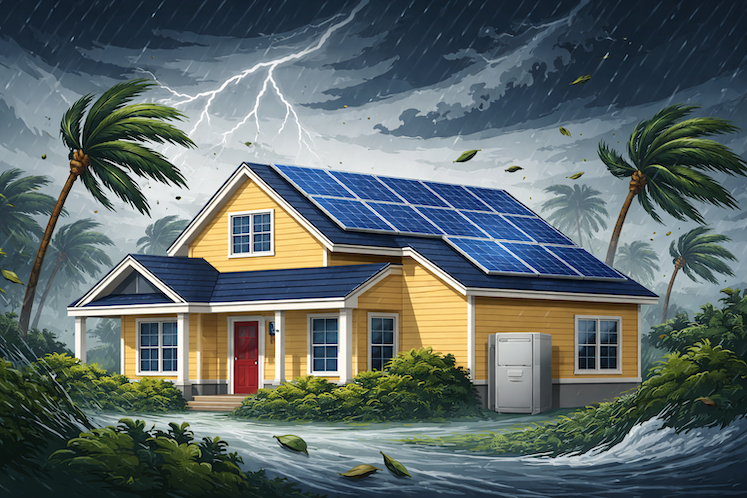
As hurricane season approaches, homeowners in coastal and storm-prone areas naturally start thinking about protection. Roof durability, power outages, and structural safety all become top priorities. With more households switching to renewable energy, one question comes up often: can solar panels actually withstand hurricanes?
The short answer is yes—modern solar panels are built to endure extreme weather conditions, including high winds and heavy rain. But not all systems are created equal. The durability of your solar setup depends on panel quality, installation standards, and additional components like battery storage.
In this guide, we’ll break down how solar panels perform during hurricanes, what features to look for, and how to make your system as storm-ready as possible.
How Solar Panels Perform in Hurricane Conditions
Solar panels are engineered to survive harsh outdoor environments. Most high-quality systems are tested against extreme conditions, including wind speeds exceeding 140 mph, which falls within hurricane territory.
Manufacturers design panels using tempered glass, corrosion-resistant aluminum frames, and sealed electrical components. These materials help prevent damage from:
- High winds
- Heavy rainfall
- Flying debris
- Saltwater exposure in coastal areas
In many cases, properly installed solar panels can be just as durable—or even more resilient—than traditional roofing materials.
Built to Meet Strict Wind Standards
Solar panels installed in hurricane-prone regions must meet strict building codes. In the U.S., for example, panels often comply with standards set by organizations like UL (Underwriters Laboratories) and ASTM.
These certifications ensure that panels can withstand uplift forces, which occur when strong winds try to lift panels off the roof. A well-installed system distributes these forces evenly, reducing the risk of damage.
Do Solar Panels Protect Your Roof?
Beyond generating electricity, solar panels can actually serve as an added layer of protection for your roof.
Shielding Against Environmental Damage
When installed correctly, panels act as a barrier between your roof and the elements. They help reduce direct exposure to:
- UV radiation that degrades roofing materials
- Heavy rainfall and moisture buildup
- Hail and debris impact
This added protection can extend the lifespan of your roof by minimizing wear and tear over time.
Reinforcing Structural Stability
While solar panels are not a replacement for proper roofing, they can contribute to overall durability when mounted securely. High-quality mounting systems anchor panels directly into the roof structure, adding stability rather than weakening it.
Working with a reliable solar system installation services ensures that your system is designed for both performance and protection.
Choosing Hurricane-Resistant Solar Panels
If you live in a storm-prone area, choosing the right solar panels is essential. Not every system is built to handle extreme weather, so it’s important to evaluate key factors before making a decision.
Warranty and Weather Protection Coverage
A strong warranty is one of the best indicators of panel reliability.
Look for manufacturers that offer:
- 25-year performance warranties
- Coverage for environmental damage
- Guarantees against wind and impact resistance
These warranties provide peace of mind, especially in regions where hurricanes are a regular concern.
Durable Panel Construction Materials
The materials used in solar panels play a major role in their ability to withstand storms.
High-quality panels typically feature:
- Tempered glass that resists impact
- Aluminum frames designed for flexibility and strength
- Weather-sealed junction boxes to prevent water intrusion
Different types of solar panel offer varying levels of durability. Monocrystalline and polycrystalline panels are both strong options, but the key is choosing panels tested for extreme conditions.
Professional Installation Matters More Than You Think
Even the strongest panels can fail if they’re not installed properly.
Installation should include:
- Hurricane-rated mounting systems
- Secure anchoring into roof rafters
- Proper spacing to reduce wind uplift
Avoid DIY installations in storm-prone areas. Instead, rely on experienced professionals who understand local building codes and weather challenges.
What Happens to Solar Panels During a Hurricane?
When a hurricane hits, solar panels go through intense stress—but well-installed systems are designed to handle it.
Wind Resistance
Panels are mounted close to the roof surface, reducing the chance of wind getting underneath them. Aerodynamic designs help wind flow over the panels rather than lifting them.
Debris Impact
While no system is completely immune to flying debris, tempered glass panels are highly impact-resistant. Minor debris usually won’t cause significant damage.
Water Exposure
Solar panels are fully sealed systems, meaning water cannot easily penetrate and damage internal components. This makes them highly resistant to heavy rain and flooding conditions.
Staying Powered During Outages with Solar Batteries
One of the biggest advantages of solar energy during hurricanes is the ability to maintain power when the grid goes down.
However, standard grid-tied systems automatically shut off during outages for safety reasons. That’s where battery storage becomes essential.
Why Battery Backup Is Critical
A solar battery allows you to:
- Store excess energy for later use
- Keep essential appliances running during outages
- Maintain lighting, refrigeration, and communication systems
In hurricane-prone areas, battery backup isn’t just a convenience—it can be a necessity.
Going Independent from the Grid
Pairing solar panels with battery storage moves you closer to energy independence. If you want to reduce reliance on utility companies entirely, exploring a complete off-grid solar living system can be a practical long-term solution.
Best Practices for Hurricane-Ready Solar Systems
To maximize the resilience of your solar setup, consider these practical steps:
Regular Maintenance and Inspections
Have your system inspected annually to ensure:
- Mounting hardware remains secure
- Panels are free from cracks or damage
- Electrical connections are intact
Trim Nearby Trees
Reducing the risk of falling branches can significantly protect your panels during storms.
Choose Optimal Panel Placement
Strategic placement reduces exposure to wind and debris. If you’re unsure about positioning, reviewing the best solar panel placement areas can help you make smarter decisions.
Are Solar Panels Worth It in Hurricane Zones?
For many homeowners, the benefits outweigh the risks.
Key Advantages
- Lower electricity bills year-round
- Backup power during outages (with batteries)
- Increased home value
- Environmental sustainability
Potential Risks
- Damage from extreme debris impact
- Improper installation leading to failure
- Higher upfront investment for storm-rated systems
With the right equipment and professional installation, these risks can be minimized significantly.
Final Thoughts: Confidence in Solar During Storm Season
Solar panels are not only safe during hurricanes—they can be a smart investment for storm resilience. Modern systems are designed to endure high winds, resist environmental damage, and provide reliable energy when you need it most.
The key lies in choosing high-quality panels, working with experienced installers, and considering battery backup for uninterrupted power. When all these elements come together, your solar system becomes more than just an energy solution—it becomes part of your home’s defense strategy.